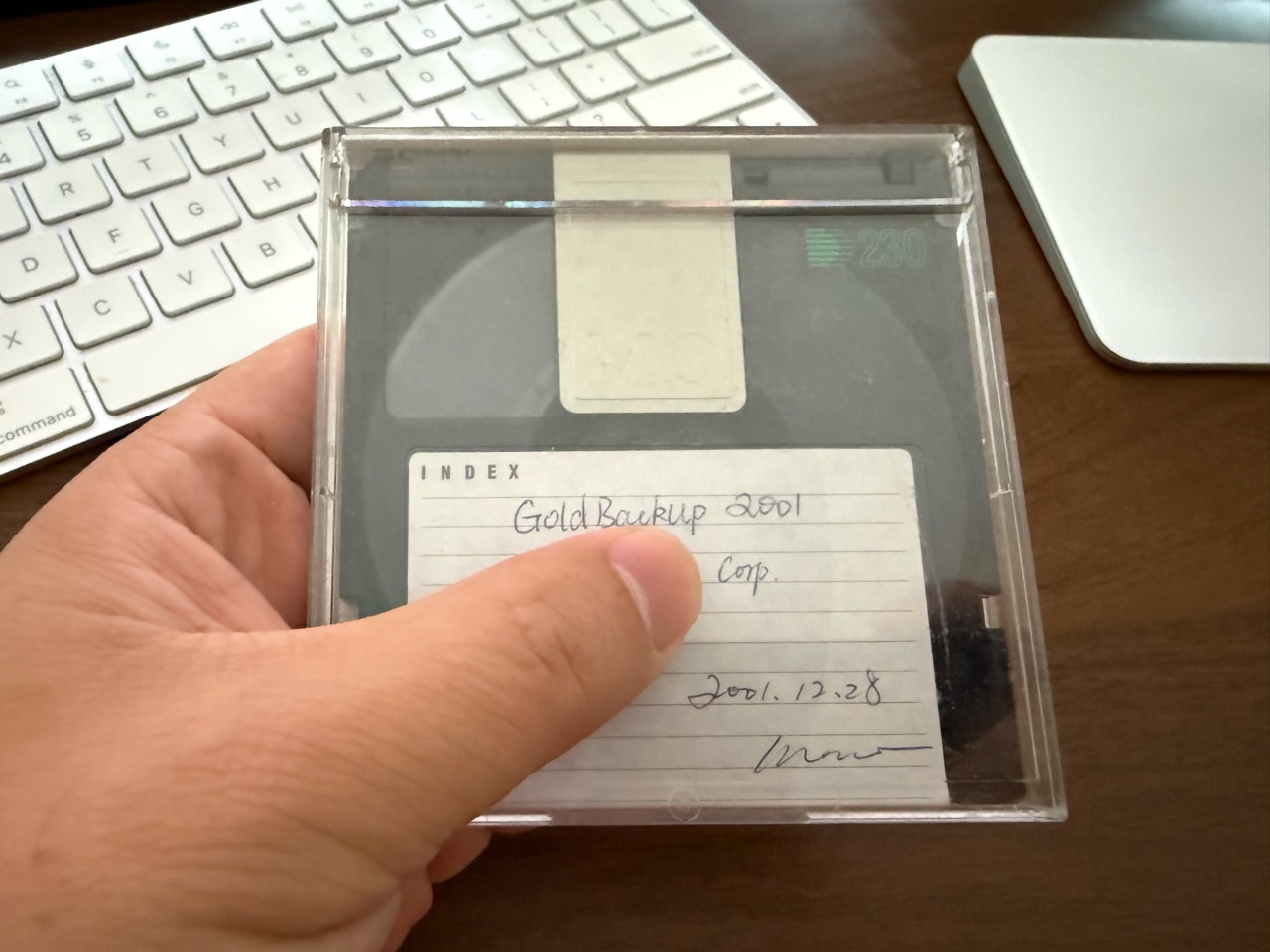
The Data Is Still There. I Have Already Lost It.
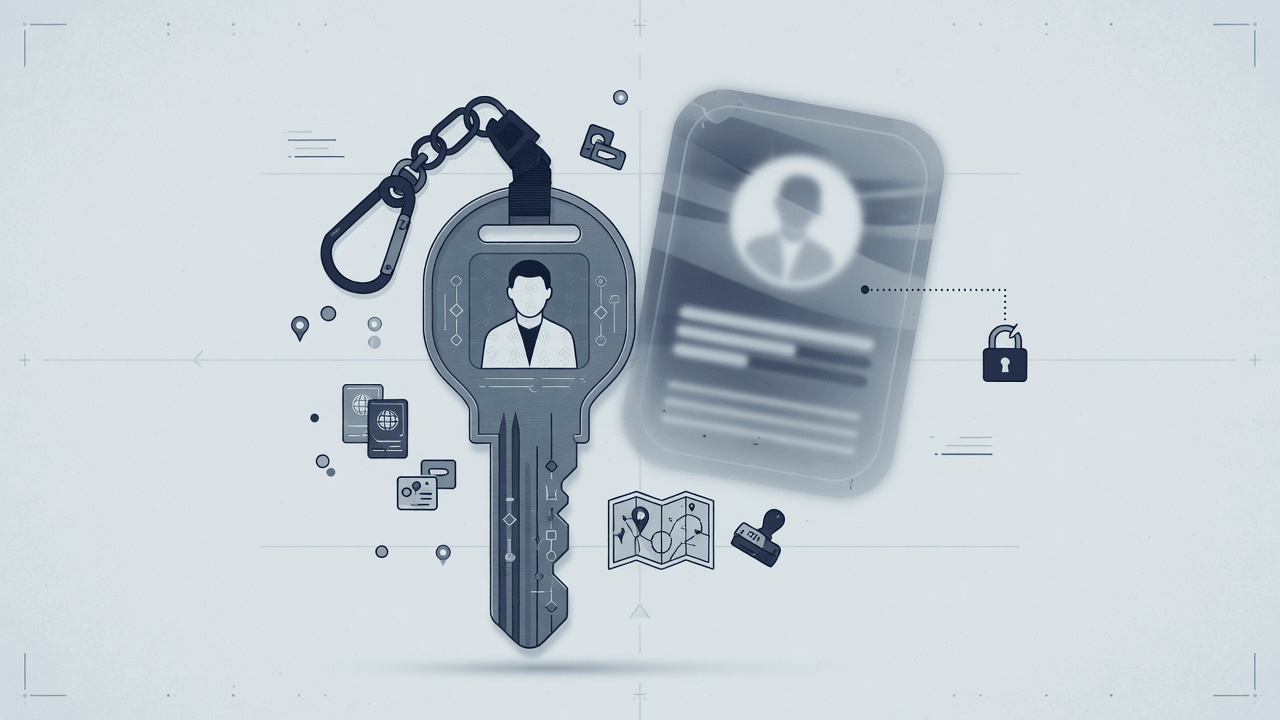
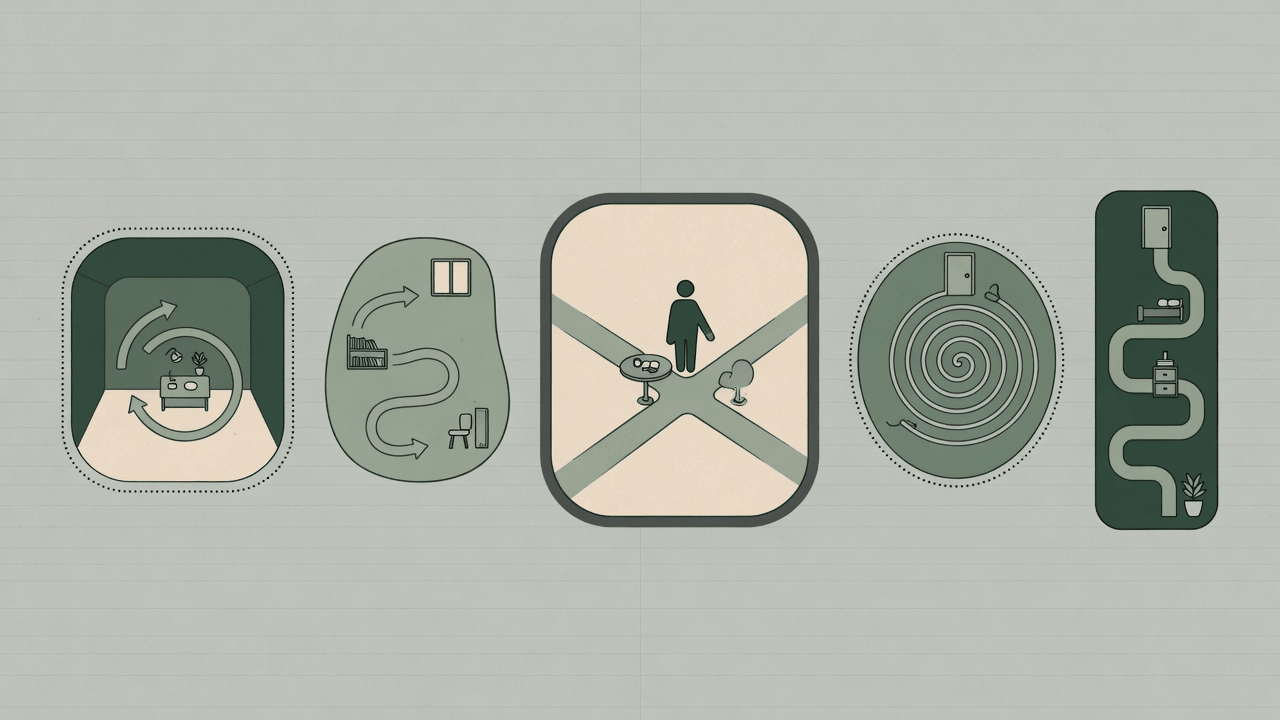
Data in your hands may no longer be usable. Data in the cloud may still be yours. A personal history of data sovereignty across floppy disks, MO media, cloud services, private keys, and AI.
ARCBlock JOURNAL
A living library of ideas, products, practical guides, and stories from ArcBlock.
Data in your hands may no longer be usable. Data in the cloud may still be yours. A personal history of data sovereignty across floppy disks, MO media, cloud services, private keys, and AI.
We watched great tools change hands or disappear. That is why ArcBlock built Aside: an ARC-powered iPhone app that sends every Share back to a place you own.
DiscussKit has been rebuilt on ARC, and ArcBlock Community has completed its move. This is a new division of responsibility across discussions, identity and user-owned data.
Clear law matters, but a product must also explain what its token does, who controls it, what rules apply, and how participants reconcile the record.
An agent cannot exist only as a platform account and an API key. DID can provide a portable, long-lived identity anchor, but authorization, runtime proof, revocation, and audit still have to do their own jobs.
The SEC staff's new crypto FAQ draws a useful distinction between improving a working system and promising to build one. What matters is distinguishing delivered capabilities from work that remains promised.
Issuing a stablecoin, accepting payment, and operating a digital service are different systems. Most applications need billing and credits, not a currency of their own.
Every model call an agent makes is written to a ledger. This is where those ledgers live, which of the three pages answers which question, whose data you are allowed to see, and the two boundaries you have to know before you read a number off any of them.
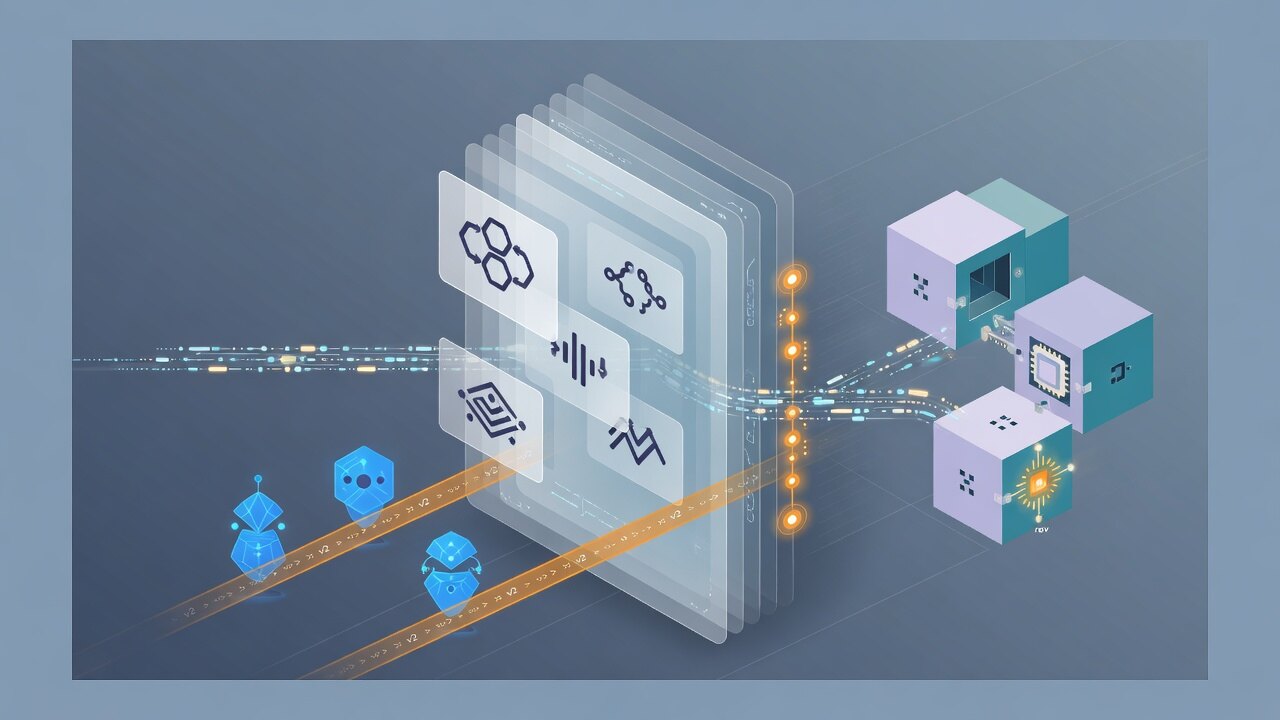
ARC already spoke MCP. This upgrade aligns that surface with MCP 2026-07-28: stateless streamable HTTP and standard OAuth discovery so third-party agents can reach Blocklets without a special bridge.
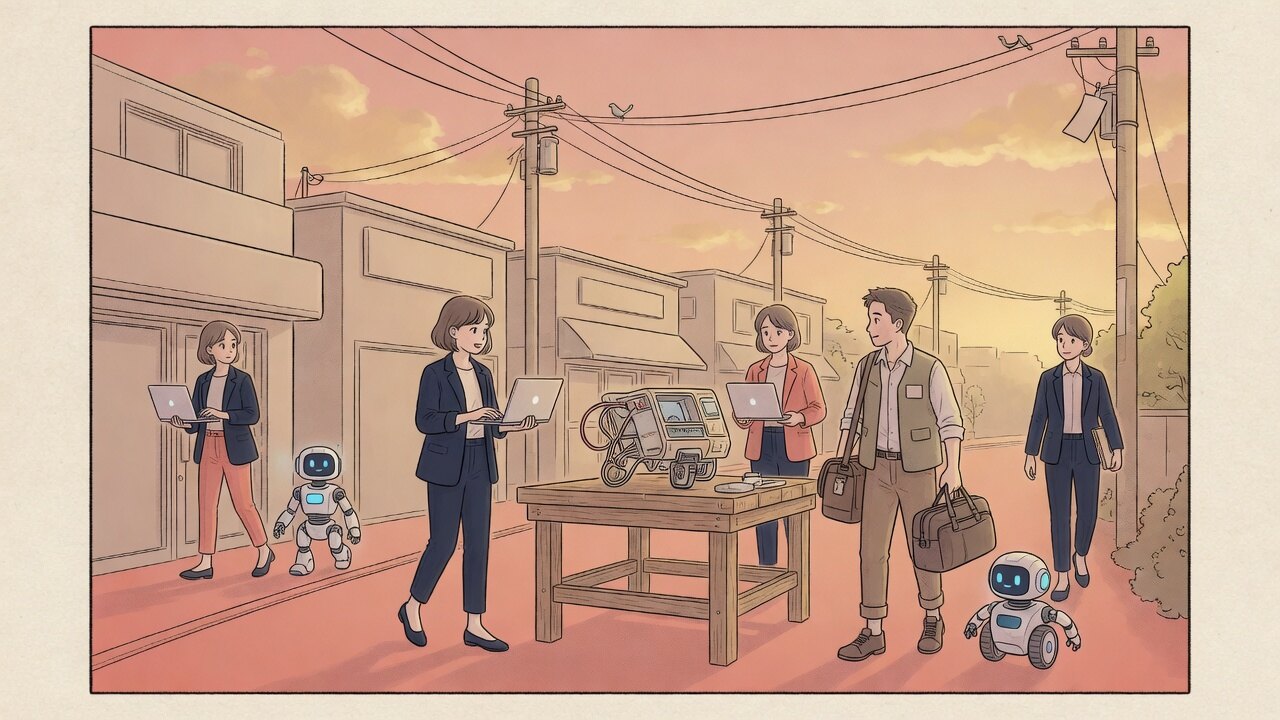
Making software no longer requires making a company first. When productive capacity is scattered across people and AI, collaboration, ownership, and value need a new organization.
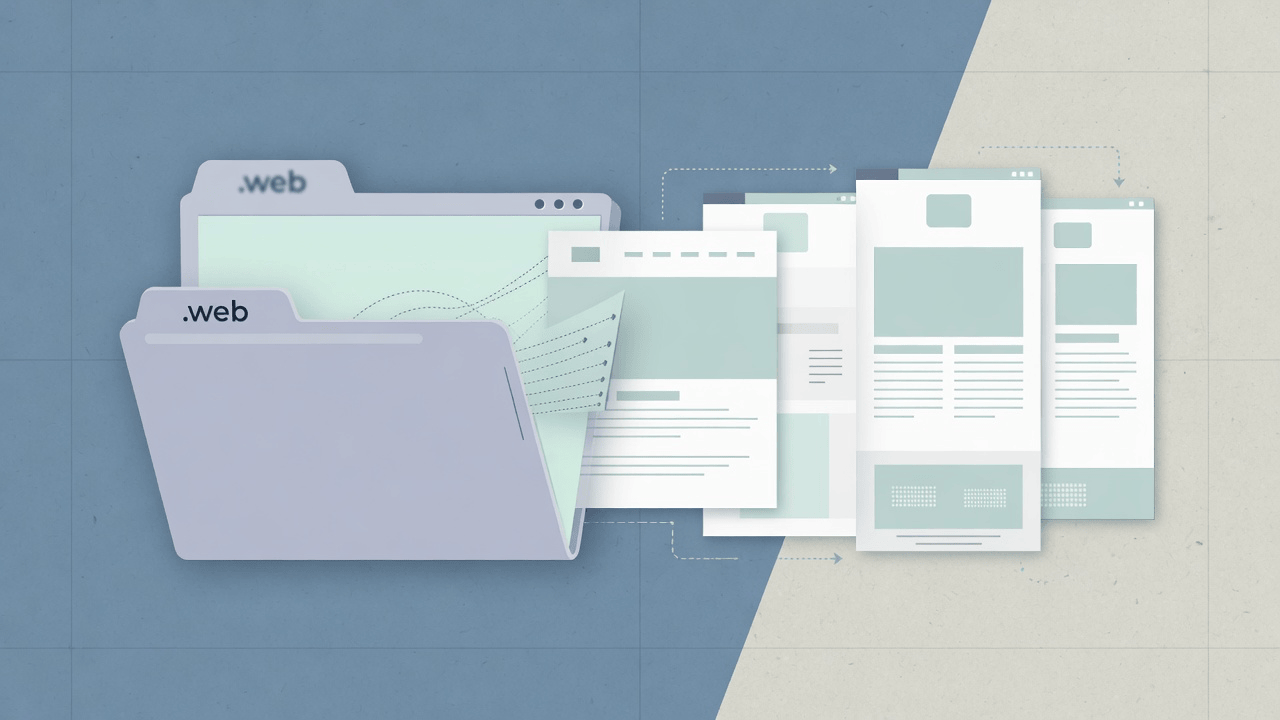
Web Device is one of ARC's core capabilities: declare a .web/ folder anywhere in AFS, and the data and AUP under it get rendered server-side into a website, SEO checks, broken-link detection, and visitor analytics included for free. This piece covers how it differs from UI Device (/dev/ui/web), how to use it, and which situations call for which.
AFS has a design principle we call Small World: every agent, every app, every process sees not the global world, but a small world projected specifically for it. Anything outside that world isn't "access denied". It simply doesn't exist. Here's where the idea comes from, why it's more than a security mechanism, and how to try it yourself.
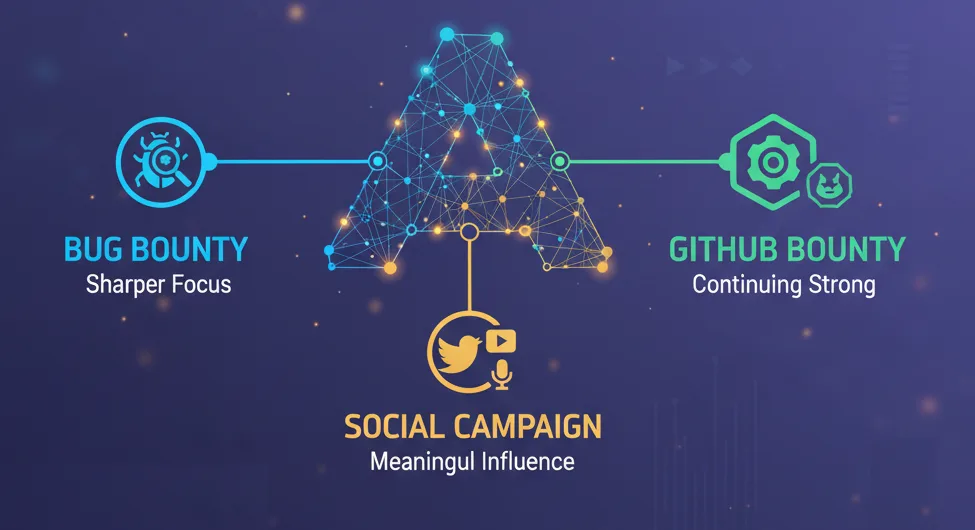
Hi everyone, Over the past months, our community bounty programs have helped drive meaningful improvements across our ecosystem. Through the Bug Bount
AI has restarted the browser wars. The prize isn’t tabs or benchmarks—it’s your data. Most “AI browsers” ship a cloud-first model that vacuums everyth
Over the last week, the ArcBlock team has rolled out a wave of updates this past week to improve usability, performance, and AI-readiness across mult
Data in your hands may no longer be usable. Data in the cloud may still be yours. A personal history of data sovereignty across floppy disks, MO media, cloud services, private keys, and AI.
We watched great tools change hands or disappear. That is why ArcBlock built Aside: an ARC-powered iPhone app that sends every Share back to a place you own.
DiscussKit has been rebuilt on ARC, and ArcBlock Community has completed its move. This is a new division of responsibility across discussions, identity and user-owned data.
Issuing a stablecoin, accepting payment, and operating a digital service are different systems. Most applications need billing and credits, not a currency of their own.
Clear law matters, but a product must also explain what its token does, who controls it, what rules apply, and how participants reconcile the record.
Making software no longer requires making a company first. When productive capacity is scattered across people and AI, collaboration, ownership, and value need a new organization.
An agent cannot exist only as a platform account and an API key. DID can provide a portable, long-lived identity anchor, but authorization, runtime proof, revocation, and audit still have to do their own jobs.
Web Device is one of ARC's core capabilities: declare a .web/ folder anywhere in AFS, and the data and AUP under it get rendered server-side into a website, SEO checks, broken-link detection, and visitor analytics included for free. This piece covers how it differs from UI Device (/dev/ui/web), how to use it, and which situations call for which.
AFS has a design principle we call Small World: every agent, every app, every process sees not the global world, but a small world projected specifically for it. Anything outside that world isn't "access denied". It simply doesn't exist. Here's where the idea comes from, why it's more than a security mechanism, and how to try it yourself.
The SEC staff's new crypto FAQ draws a useful distinction between improving a working system and promising to build one. What matters is distinguishing delivered capabilities from work that remains promised.