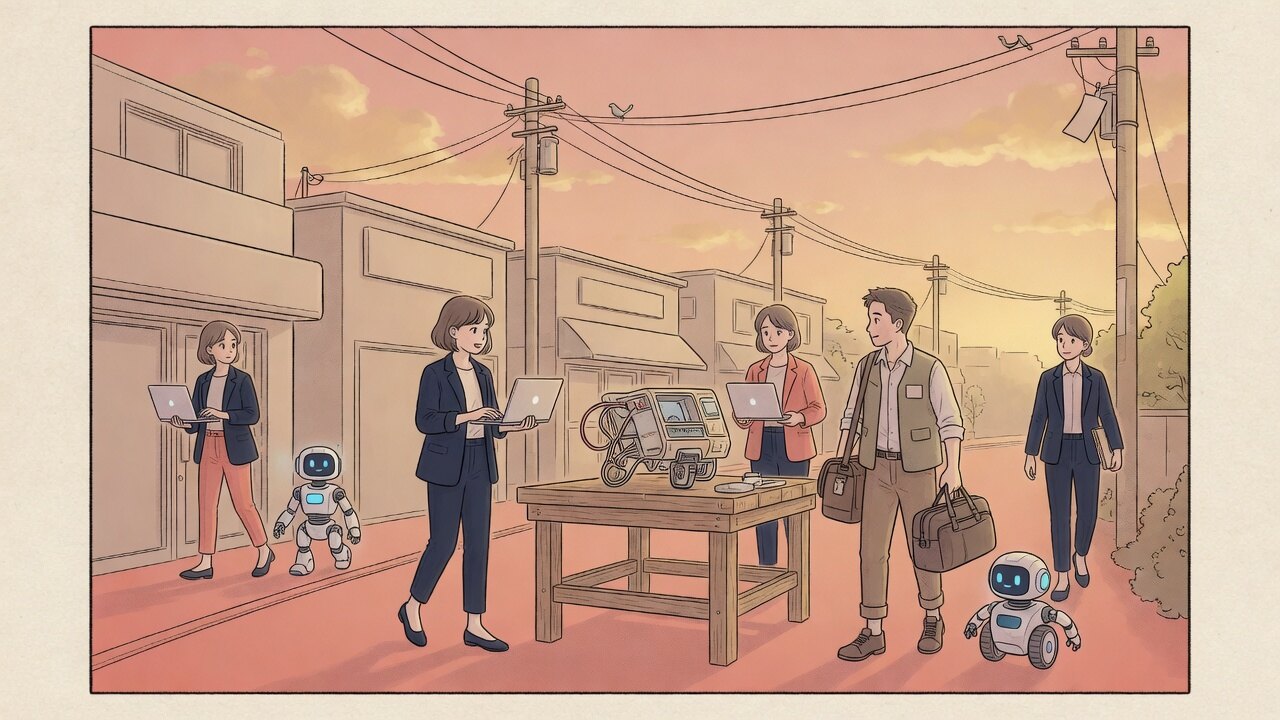
The Best Personal Agent May Be the One That Does Less
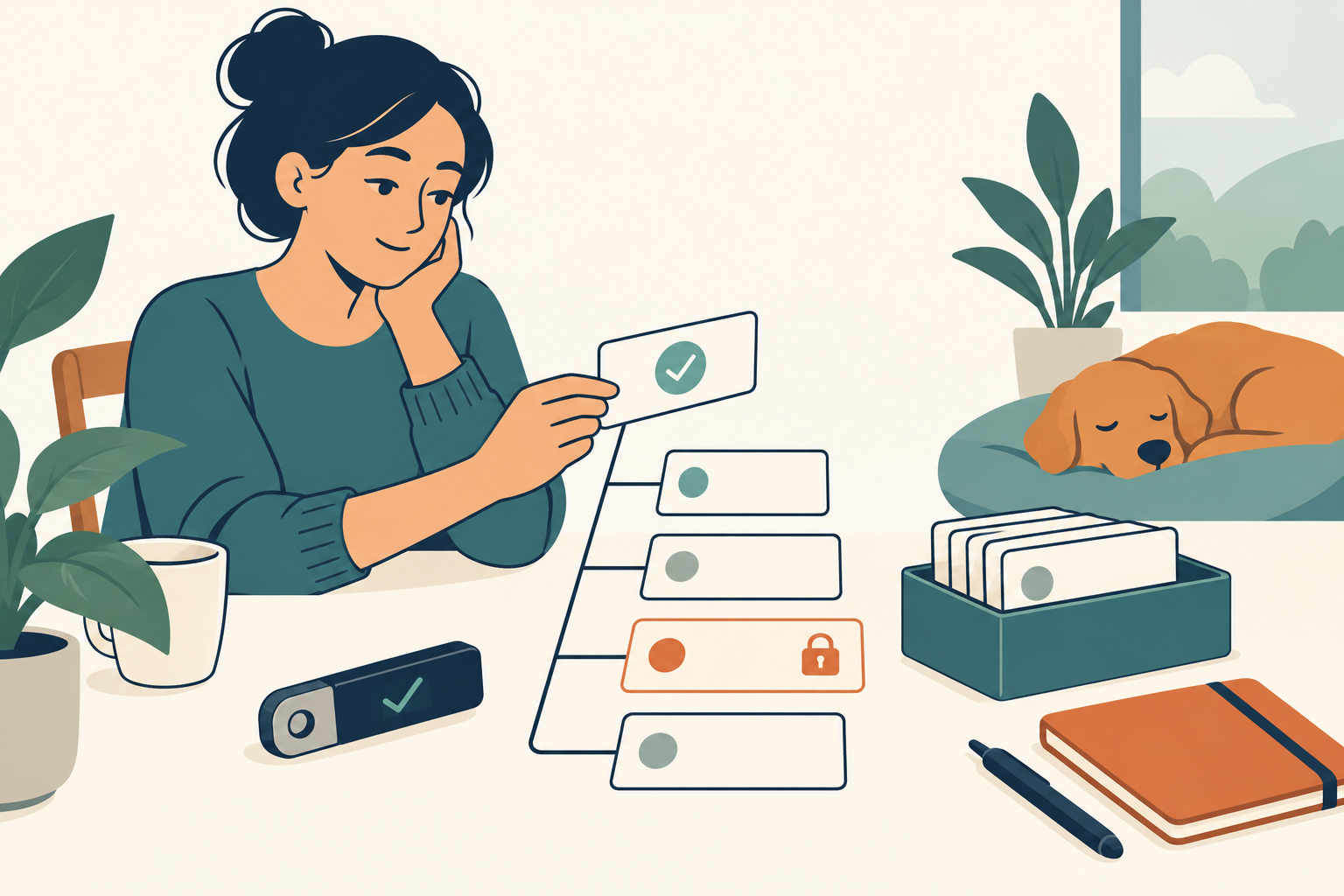
Trying Instinct made me rethink personal AI: keep my authority, protect my attention, and quietly look after the things I would otherwise forget.
ARCBlock 內容雜誌
這裡匯集 ArcBlock 的理念、產品、實作指南與故事。你可以從主題開始,也可以按時間繼續瀏覽。
Trying Instinct made me rethink personal AI: keep my authority, protect my attention, and quietly look after the things I would otherwise forget.
資料在自己手裡,不等於還能使用;資料放在雲上,也不等於不屬於自己。一次跨越軟碟、MO、雲服務、私鑰與 AI 的個人資料主權反思。
We watched great tools change hands or disappear. That is why ArcBlock built Aside: an ARC-powered iPhone app that sends every Share back to a place you own.
DiscussKit has been rebuilt on ARC, and ArcBlock Community has completed its move. This is a new division of responsibility across discussions, identity and user-owned data.
Clear law matters, but a product must also explain what its token does, who controls it, what rules apply, and how participants reconcile the record.
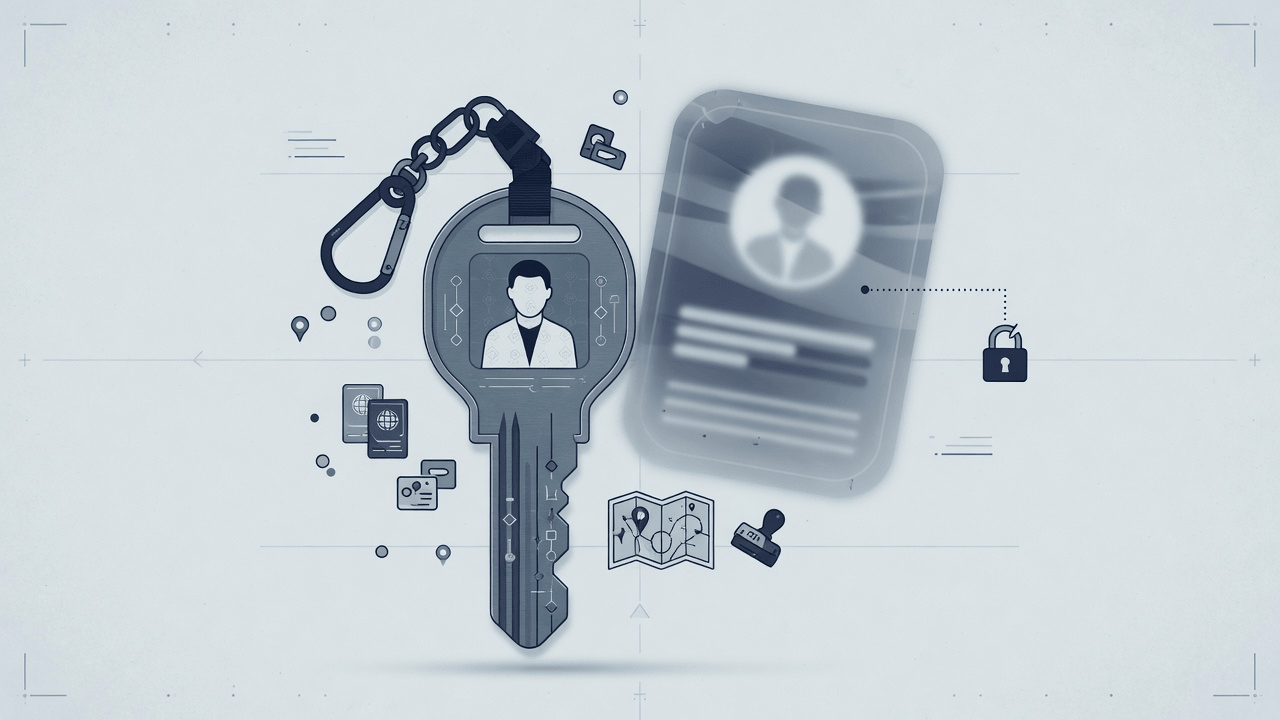
An agent cannot exist only as a platform account and an API key. DID can provide a portable, long-lived identity anchor, but authorization, runtime proof, revocation, and audit still have to do their own jobs.
A response to Justin Drake and Vitalik Buterin's cryptography discussion: test transfers, HD wallets, public-key exposure, and why account migration and usability belong in security design.
Issuing a stablecoin, accepting payment, and operating a digital service are different systems. Most applications need billing and credits, not a currency of their own.
Publish your handpicked saves and the reasons behind them as an Aside collection. Anyone with the link can open it in a browser, and new saves appear on the same page after syncing.
Aside 1.3.0 is now available: sign in for a DID, sync your saves across devices through Arc Space, and publish a collection whose shared page updates as you add new saves.
Making software no longer requires making a company first. When productive capacity is scattered across people and AI, collaboration, ownership, and value need a new organization.
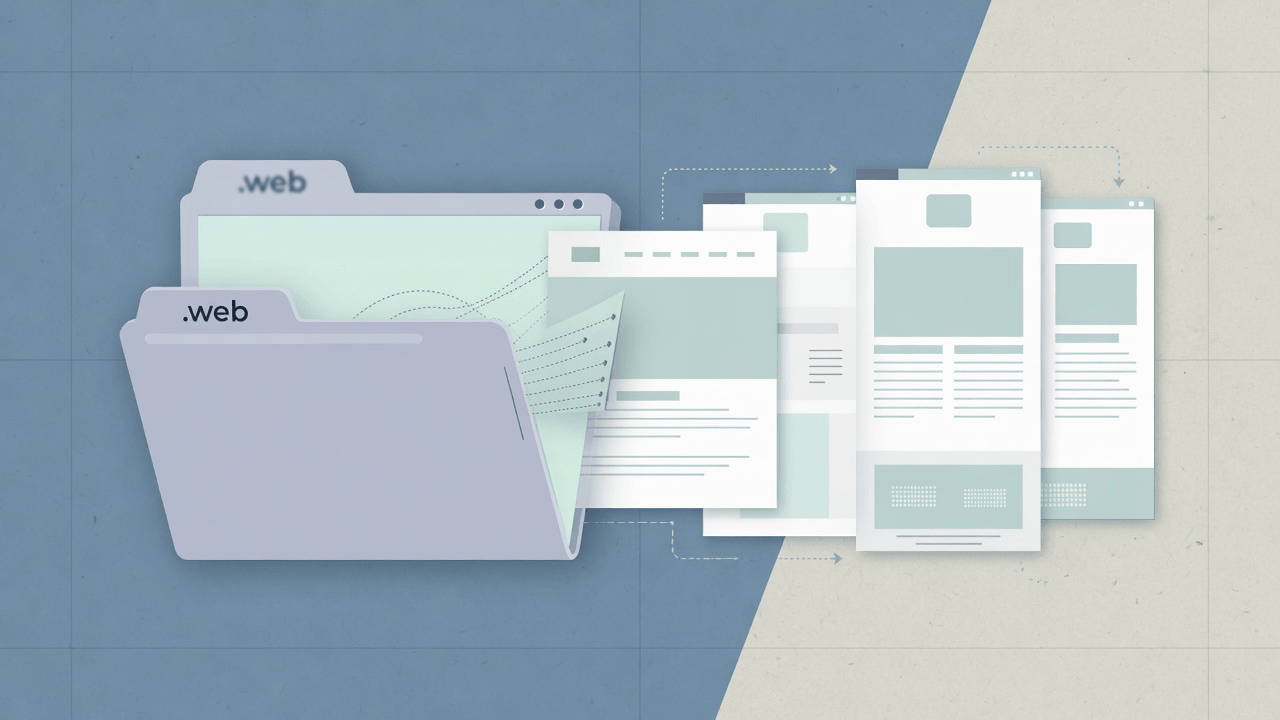
Web Device is one of ARC's core capabilities: declare a .web/ folder anywhere in AFS, and the data and AUP under it get rendered server-side into a website, SEO checks, broken-link detection, and visitor analytics included for free. This piece covers how it differs from UI Device (/dev/ui/web), how to use it, and which situations call for which.
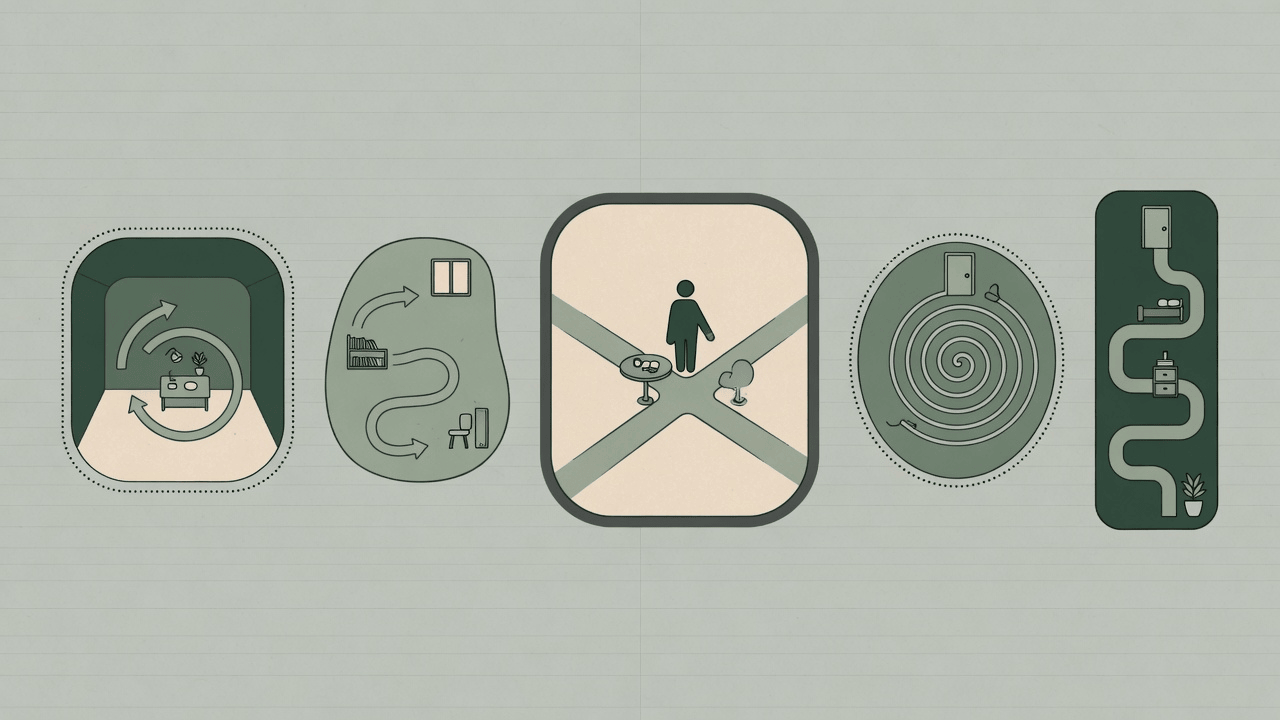
AFS has a design principle we call Small World: every agent, every app, every process sees not the global world, but a small world projected specifically for it. Anything outside that world isn't "access denied". It simply doesn't exist. Here's where the idea comes from, why it's more than a security mechanism, and how to try it yourself.
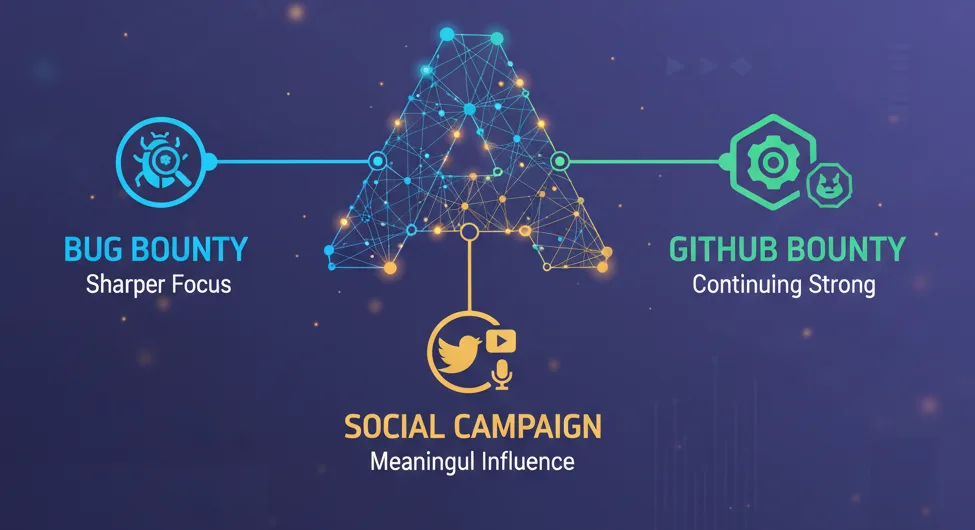
大家好,在過去的幾個月裡,我們的社群賞金計畫協助推動了整個生態系統的有意義改進。透過 Bug 賞金計畫...
AI 重新燃起了瀏覽器大戰。這一次的獎勵不再是分頁功能或效能基準,而是您的數據。大多數「AI 瀏覽器」採用雲端優先模式,將所有資訊吸入遠端系統。
在過去的一週中,ArcBlock 團隊推出了一系列更新,旨在提升多款產品的易用性、效能以及對 AI 的支援能力。
Publish your handpicked saves and the reasons behind them as an Aside collection. Anyone with the link can open it in a browser, and new saves appear on the same page after syncing.
ARC provides a runtime for Blocklets on your computer, a server, Cloudflare Workers, or native platform implementations. On Cloudflare, compute, sessions, and data storage support hosted users at the application level.
Follow the prompts from my ASE demonstration to make a website, interactive examples and slides, and see why a working environment makes short instructions useful.
Aside 1.3.0 is now available: sign in for a DID, sync your saves across devices through Arc Space, and publish a collection whose shared page updates as you add new saves.
From Lode Runner on an Apple II to Unix, X Window and the early internet, Robert Mao traces the experiences behind AFS-UI and a shared interface system for people and agents.
AFS-UI lets people use a rendered interface while agents reach its corresponding structure through paths. An introduction to AFS, AUP, Web Device and the surrounding UI landscape.
At ASE 2026, ArcBlock introduces its DarcFactory vision: supervised autonomous software production built around work objects, independent verification, and human intent.
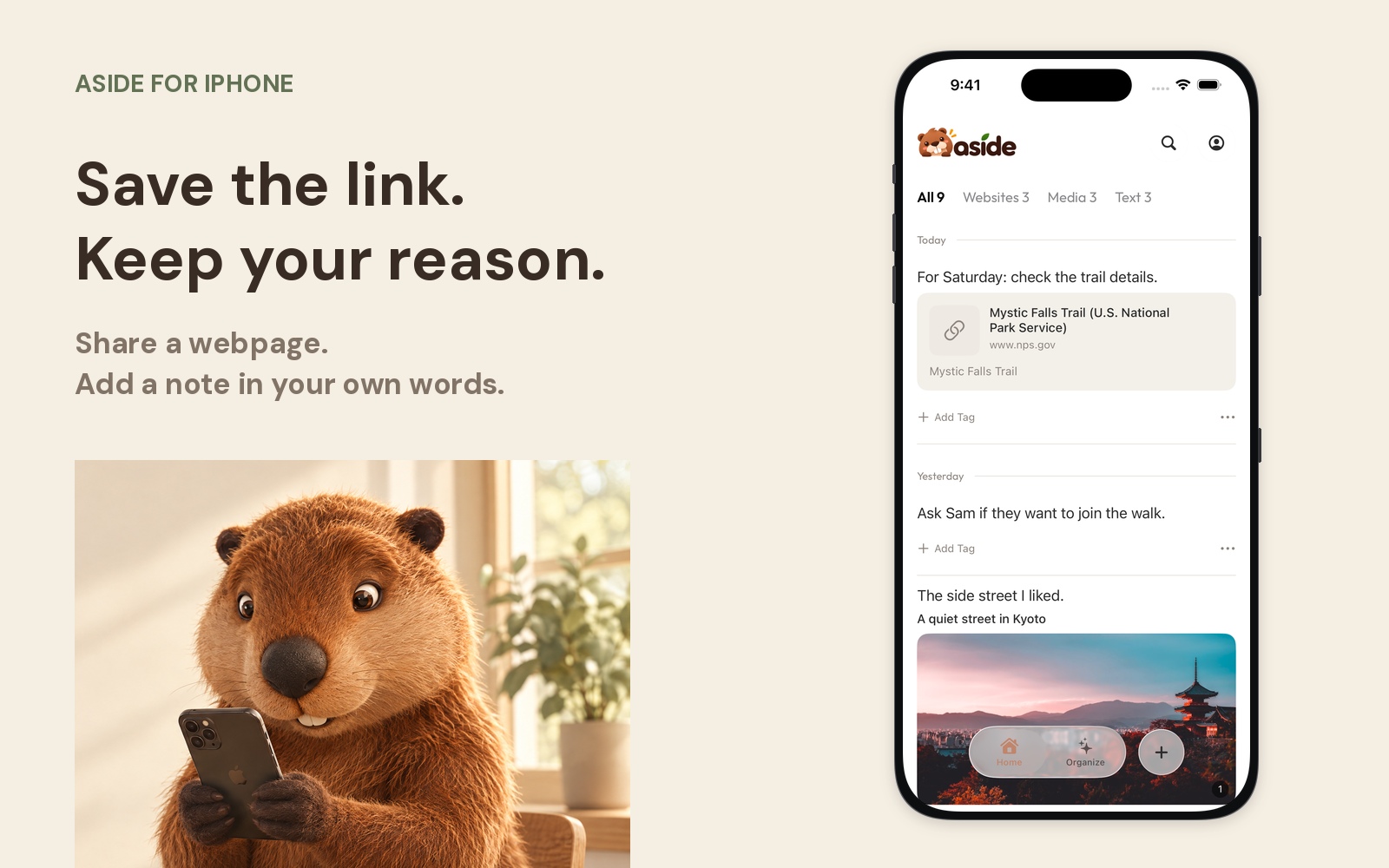
Share a webpage from Safari to Aside, add your own reason for saving it, and return to the link and note together.
AI can generate a fresh interface at any moment. How do people and agents keep working on the same thing? A journey from OpenAI Intelligent UI and UI protocols to X Window and a working AFS-UI experiment.
A response to Justin Drake and Vitalik Buterin's cryptography discussion: test transfers, HD wallets, public-key exposure, and why account migration and usability belong in security design.
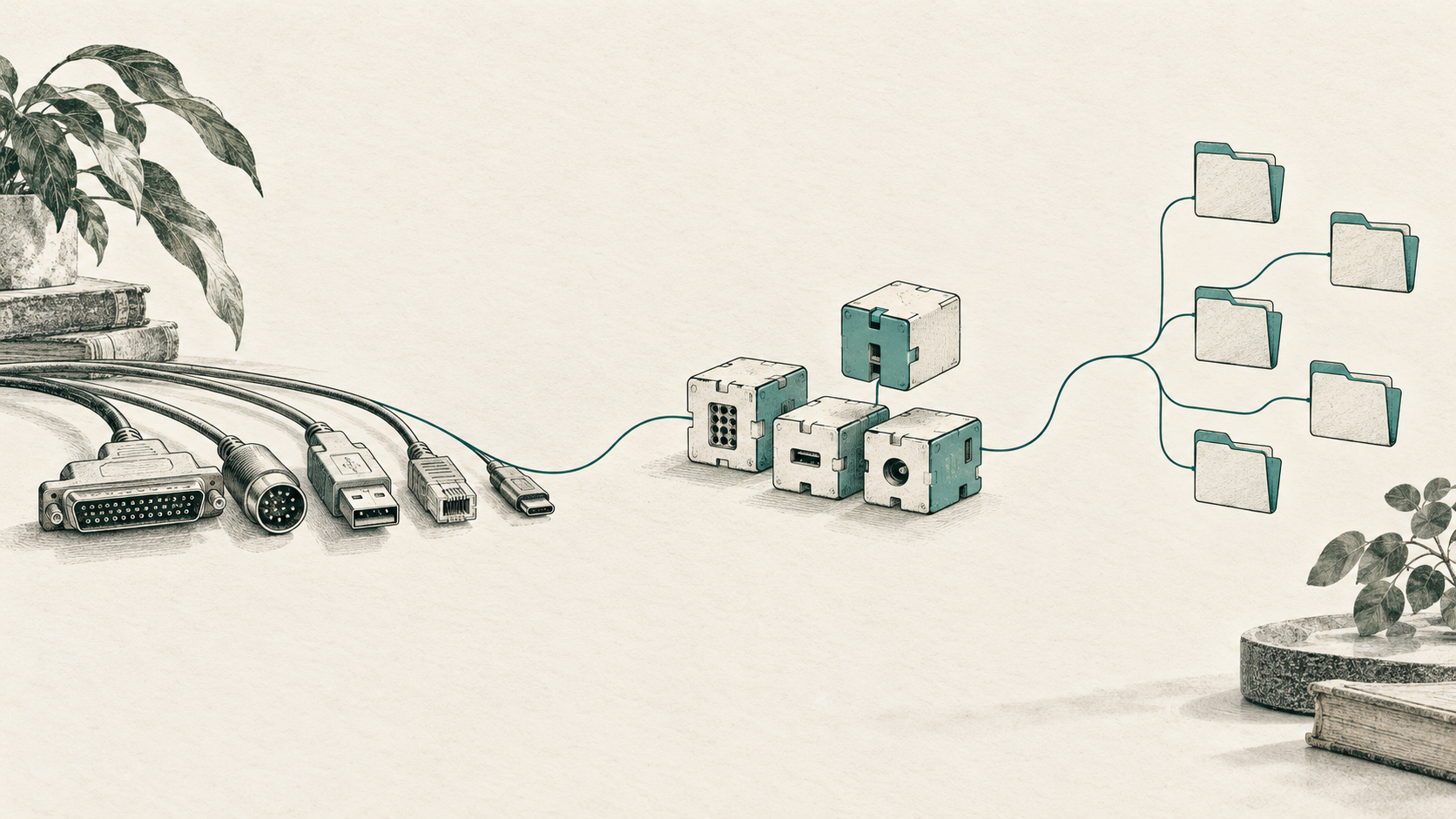
How an idea inspired by ODBC developed into a GraphQL playground, became part of the Blocklet architecture, and now lives within ARC’s AFS resource model.
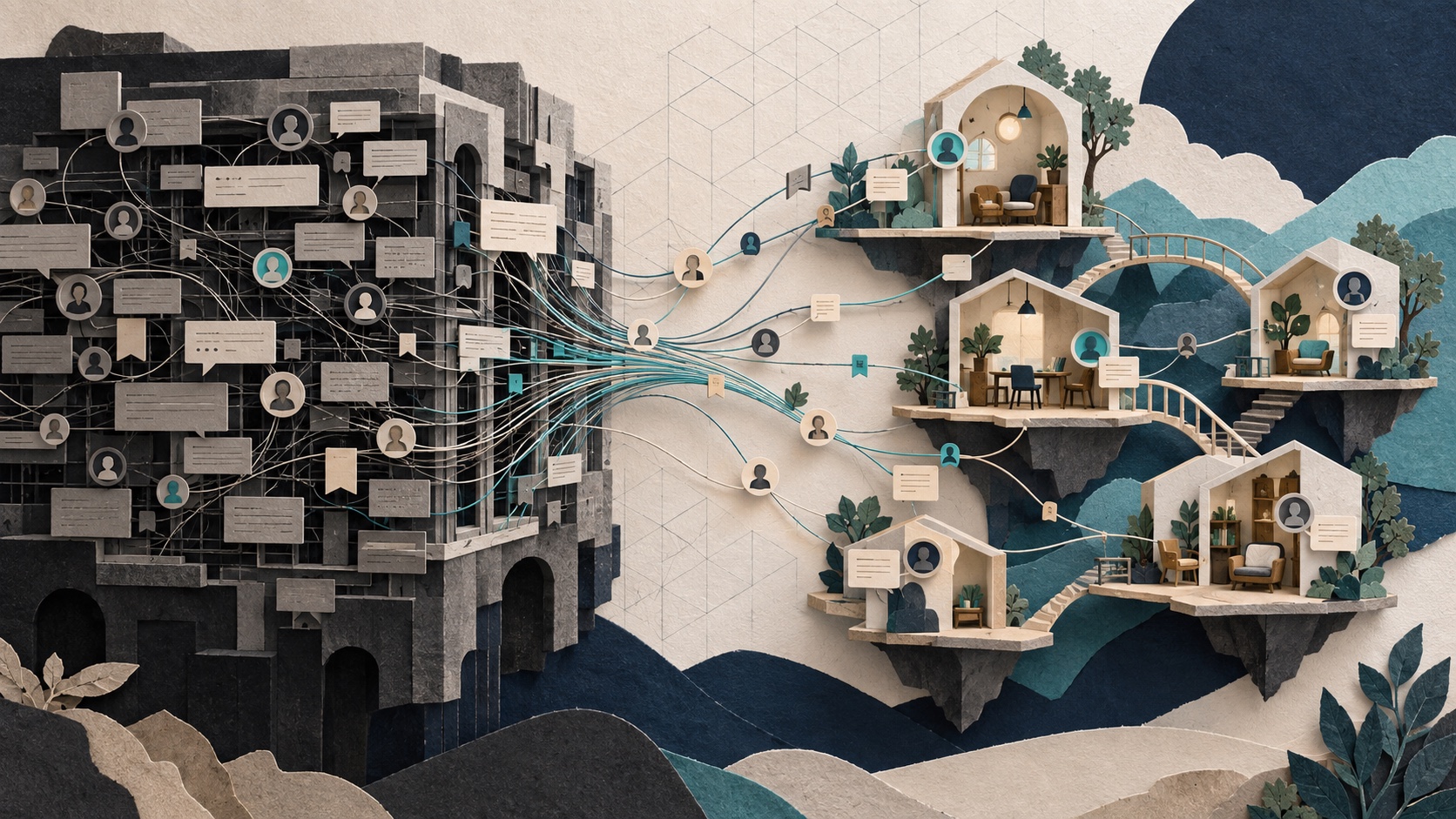
Why Arc separates identity, data and compute: ownership should let you change services while keeping your identity, records and AI memory under your control.
Trying Instinct made me rethink personal AI: keep my authority, protect my attention, and quietly look after the things I would otherwise forget.
ArcBlock's account migration design connects old and new addresses. Follow incoming transfers, historical signatures, SDK behavior, and the limits of migration as recovery.
Save a portfolio reference from Safari, note what you want to borrow, and collect it alongside your own drafts in Aside.
Save sources and their conditions in Aside, then add your working decision and open questions so you can pick up the research later.
Open Quick Capture from Aside's home screen and save an unfinished thought. Find it again later, then capture the next question.
Save a source in Aside, note its purpose in your draft, and capture your own angle. Keep both in a collection for the piece you want to write.
Separate participation weight from agreement, understand fork choice and finality, and see why 51% and two thirds are not comparable security scores.
A closer look at ArcBlock's blockchain delegation patents: separate signing keys, enforced permissions, usage limits, revocation, and the boundaries of keeping a main key offline.