What Endures When Everything Evolves?
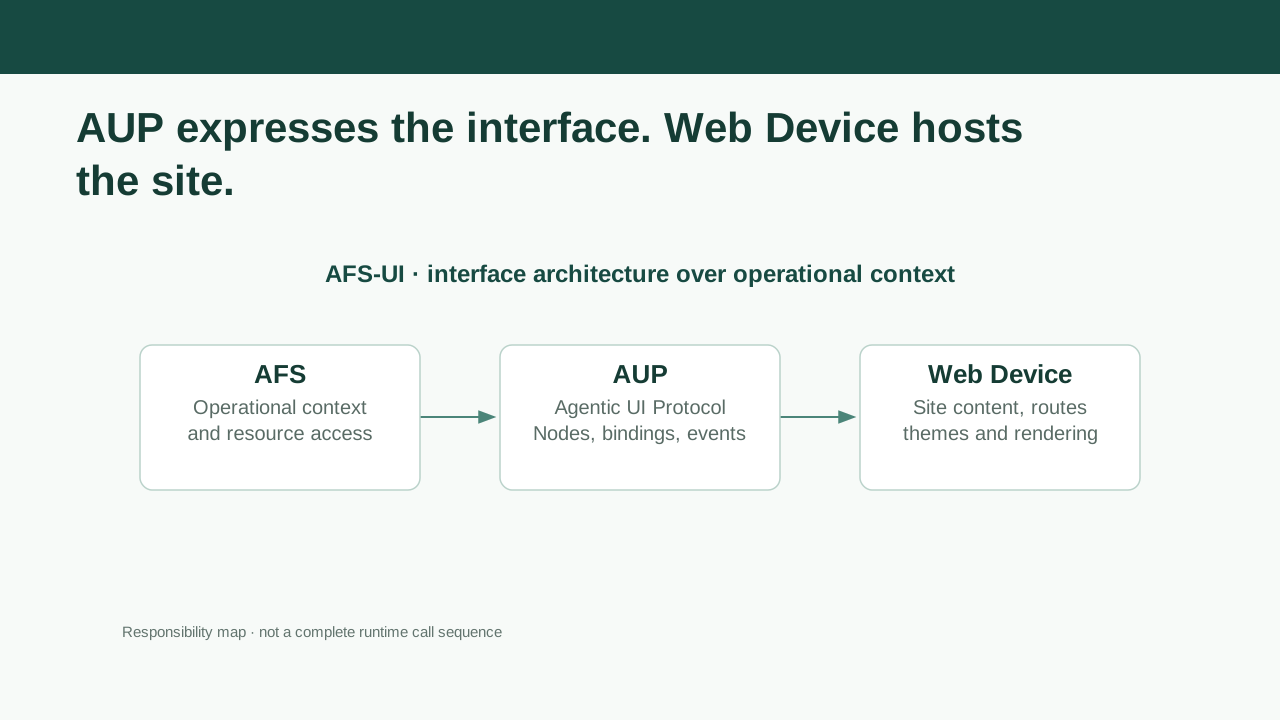
AFS-UI and the Search for Stable Foundations in Generative UI
Robert Mao · ASE 2026 / HARNESS4GenUI
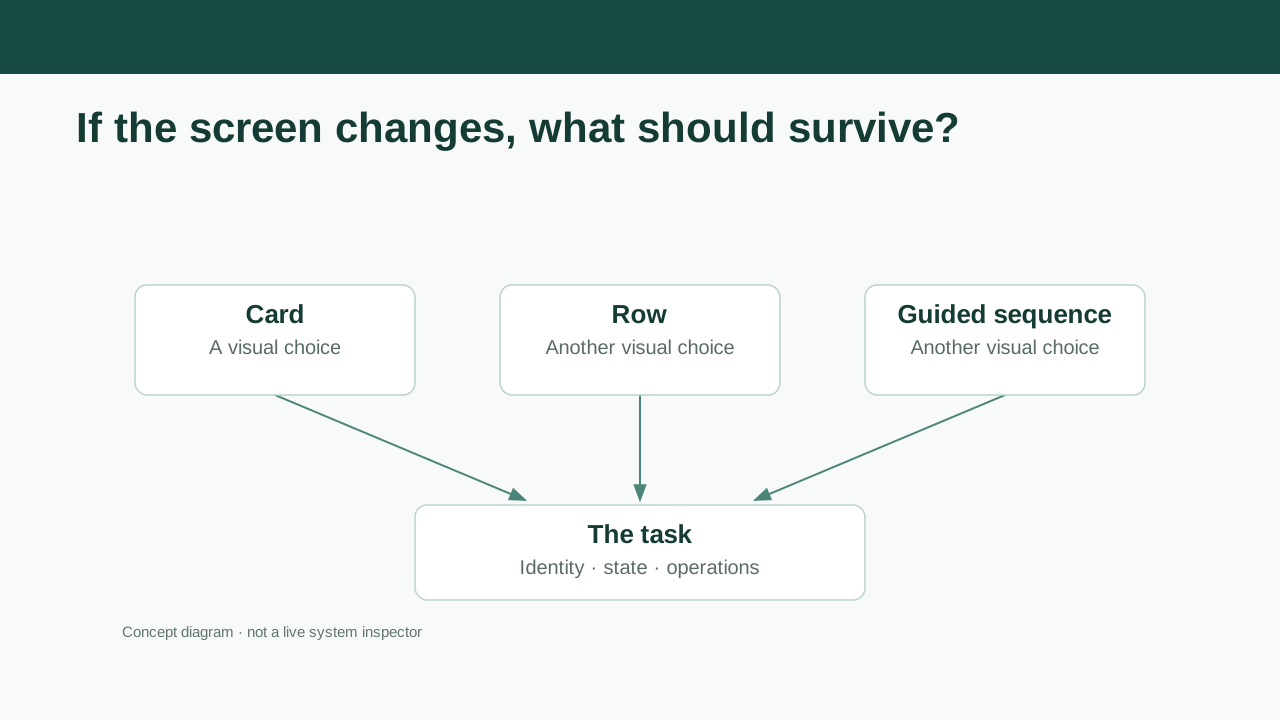
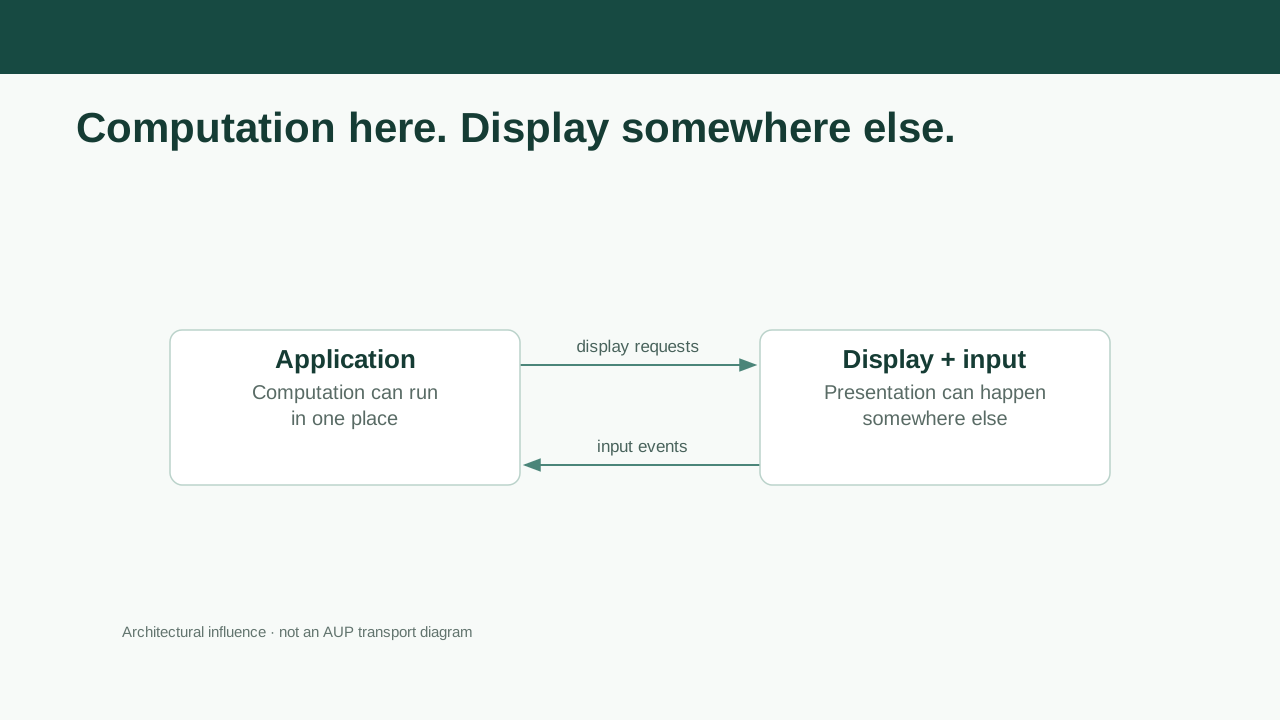
Stable boundaries make independent change possible.
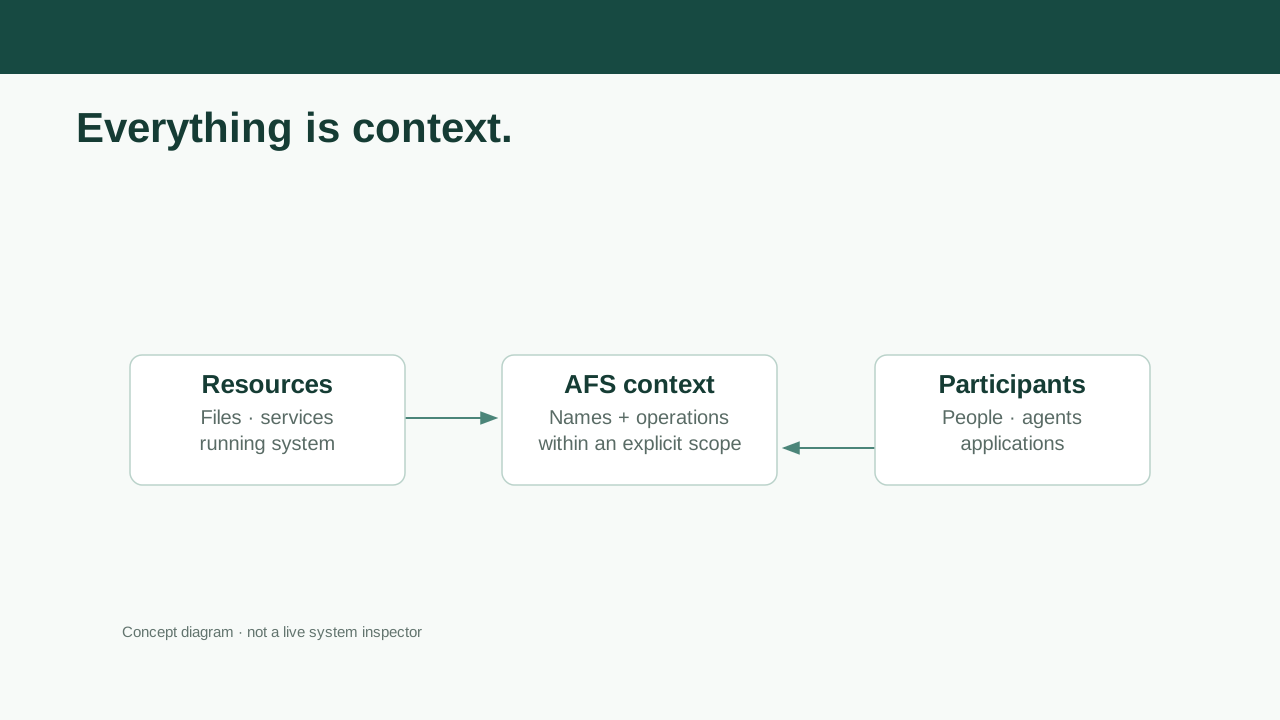
An address gives work a target.
/work/tasks/keynote
- What does it identify?
- Where does it resolve?
- How long does the contract hold?
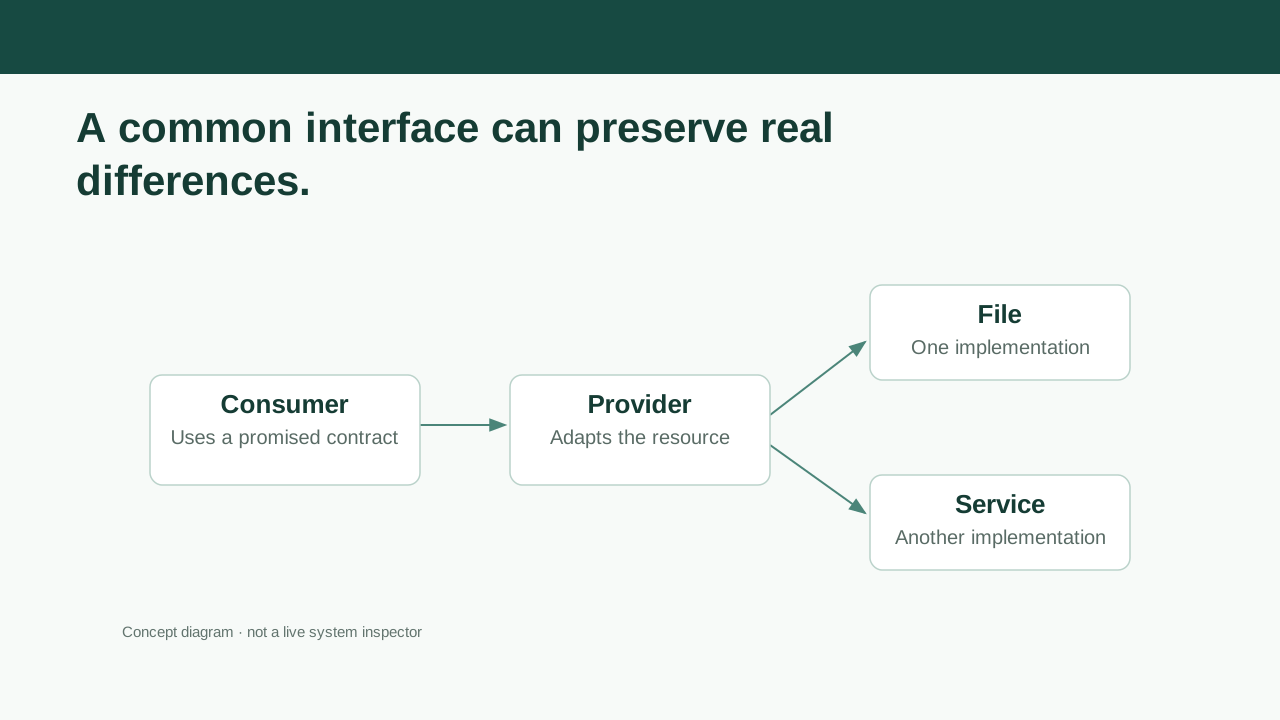
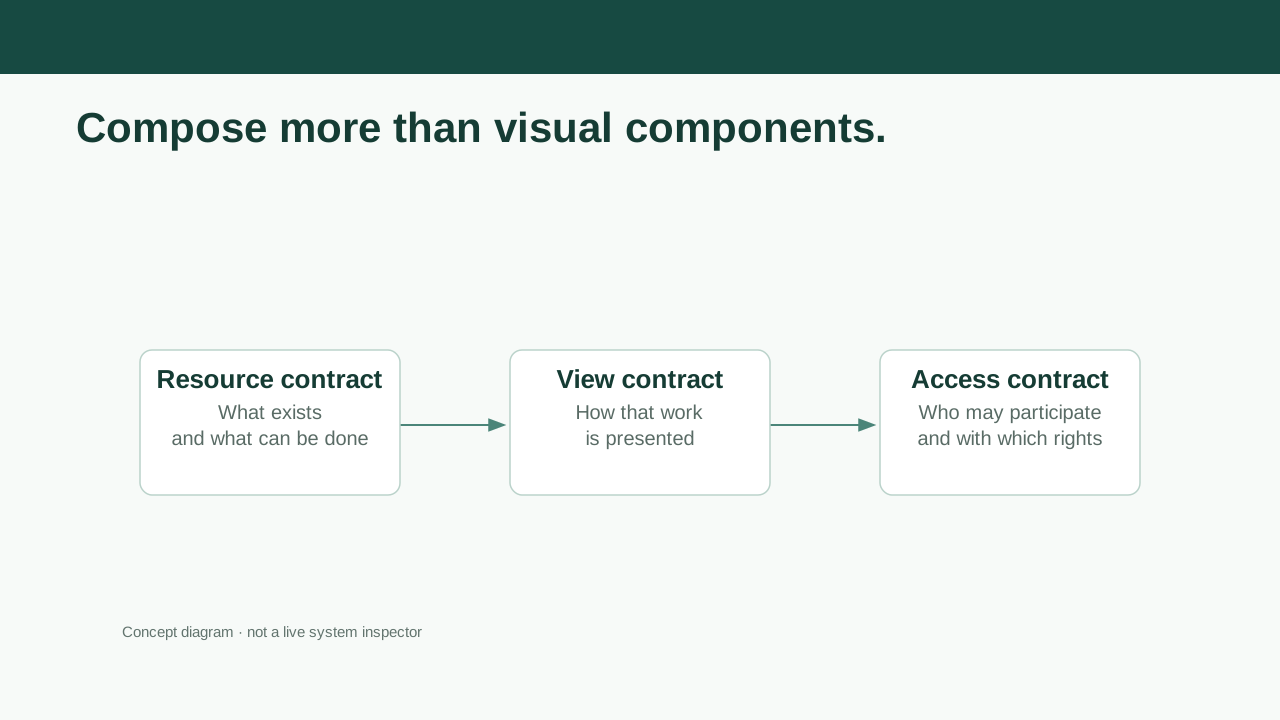
An address answers where. Operations answer what.
- Discover and read
- Write supported content
- Execute an explicit action
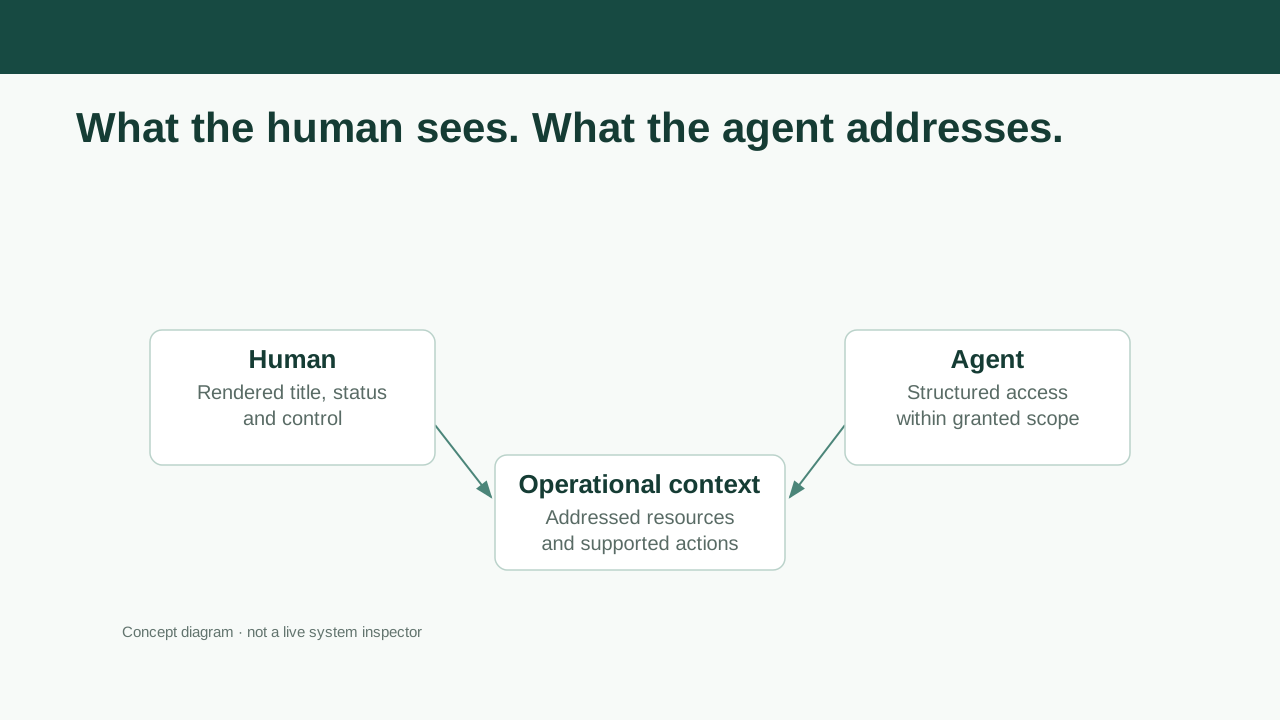
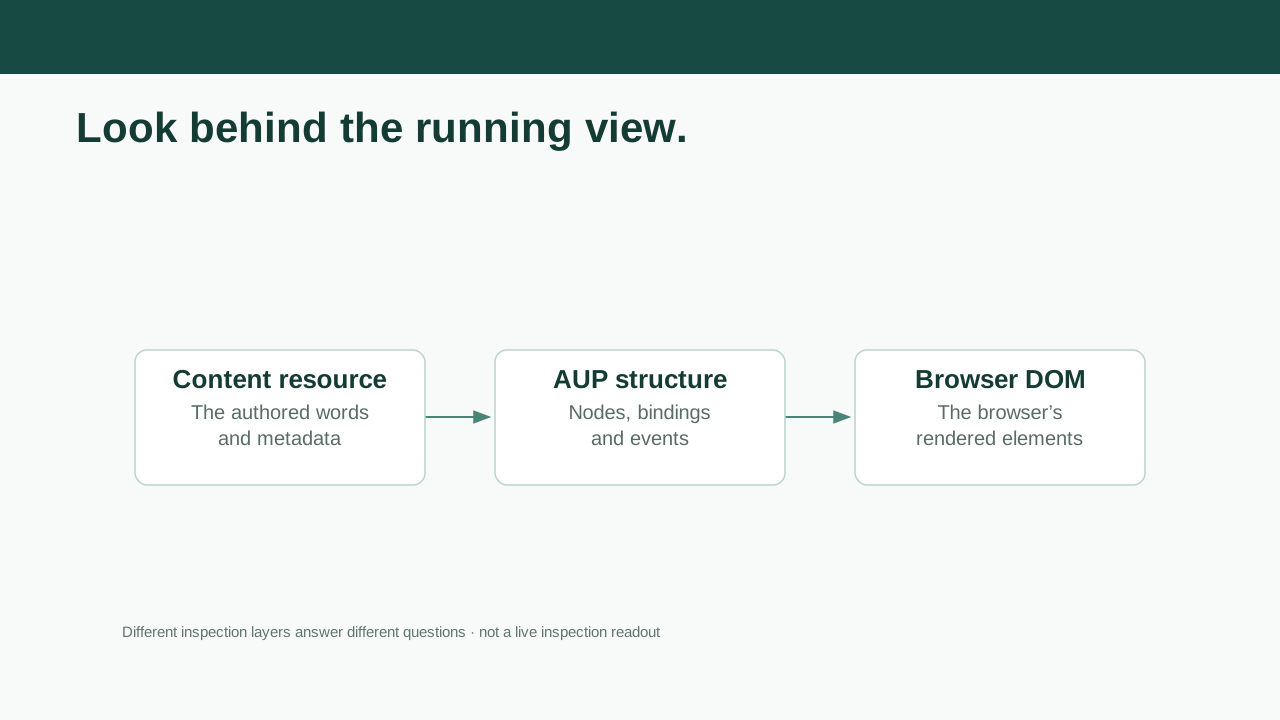
Change the view. Keep the object.
A local model explains the idea. A real session tests node reads, patches and layout changes.
Open the teaching model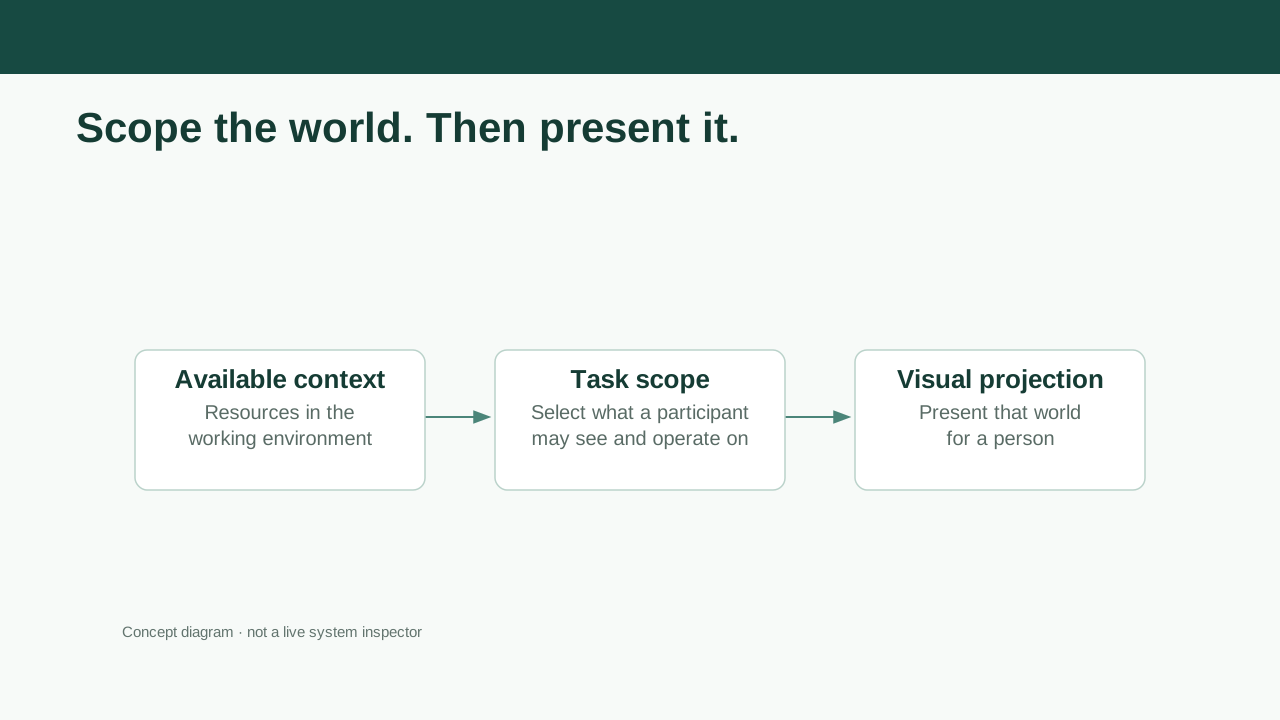
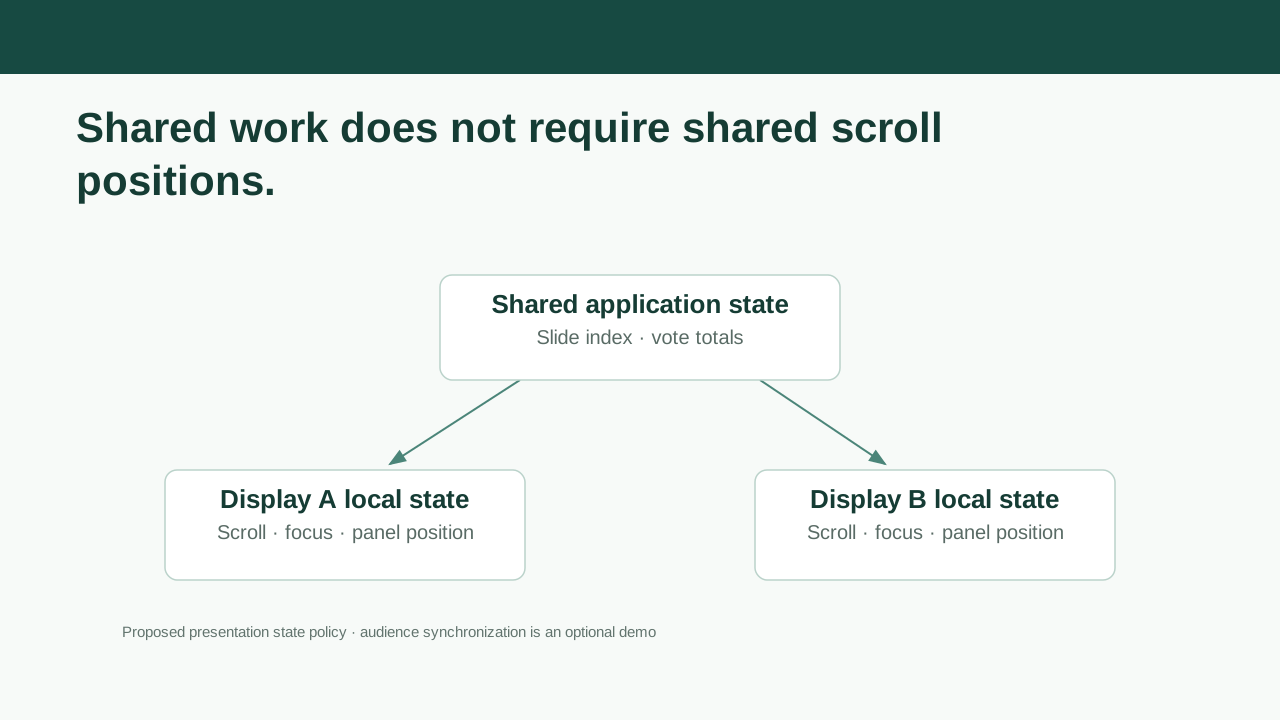
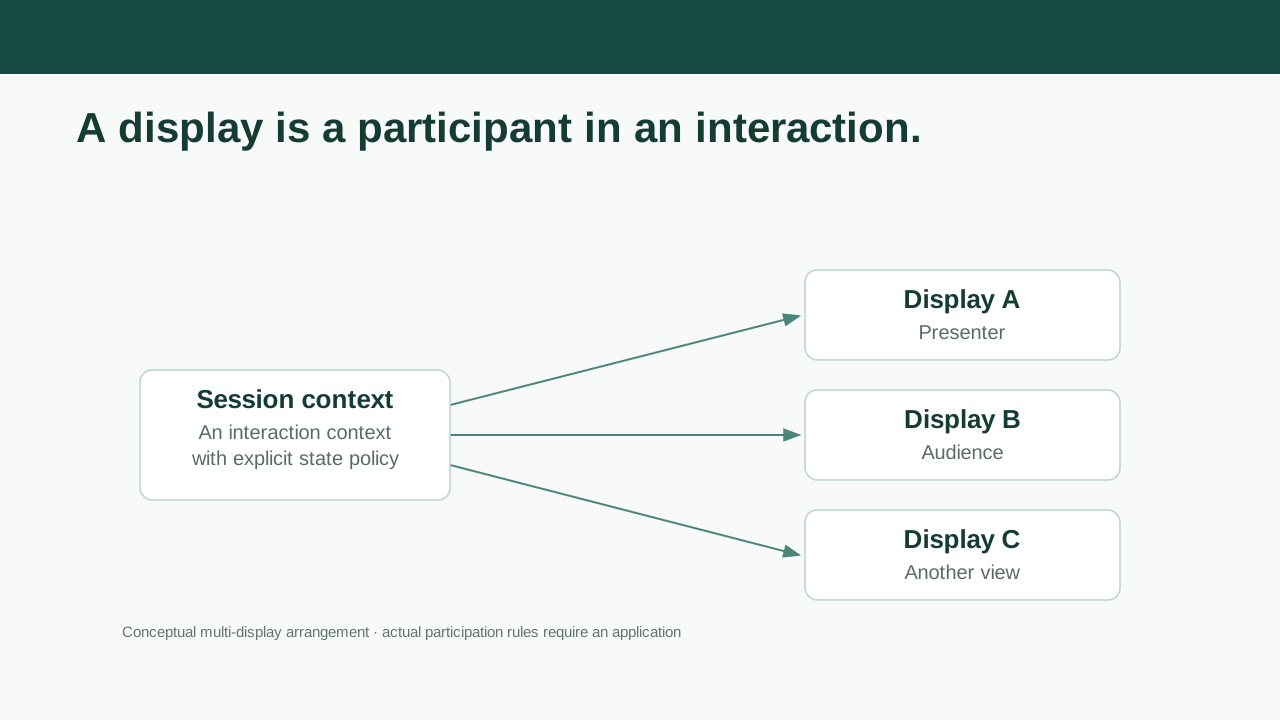
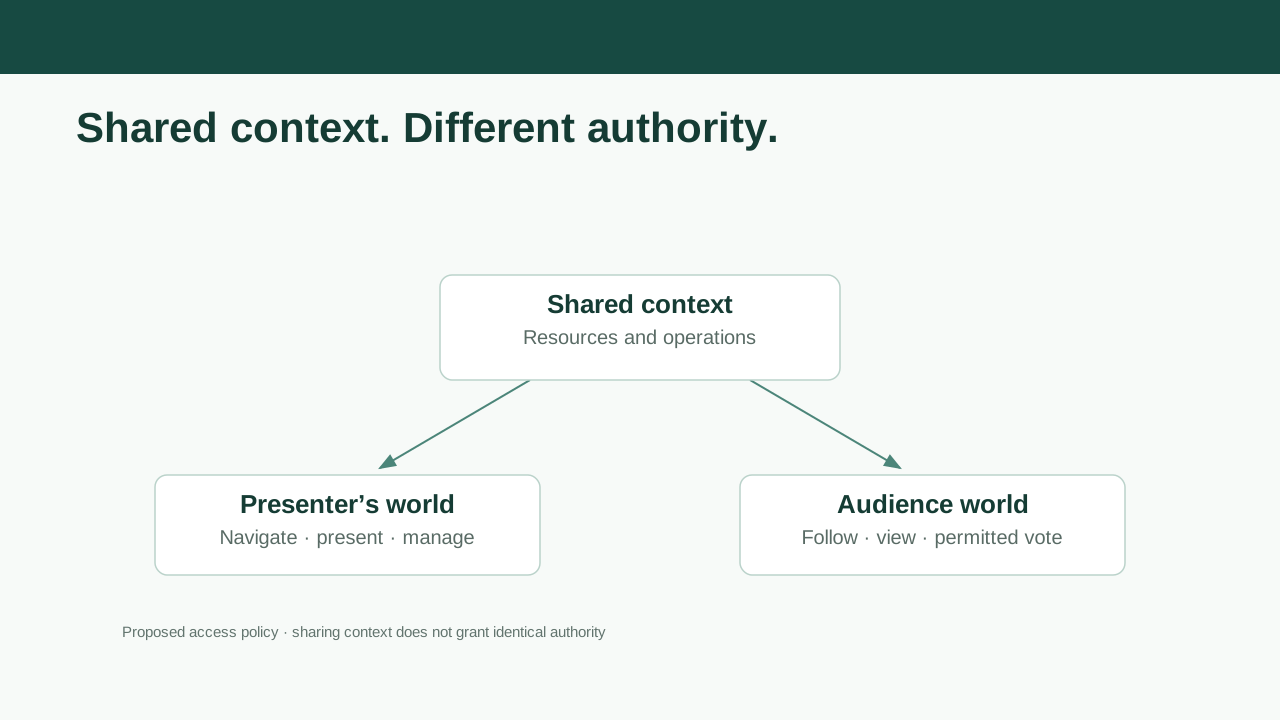
One talk. Different participation rules.
| Participant | May change | May observe |
|---|---|---|
| Presenter | Slide index | Shared progress |
| Audience | Permitted vote | Following view |
Proposed demo policy—not a claim of completed synchronization.
Compare the boundary being standardized.
| Approach | Central question |
|---|---|
| A2UI | How is a declarative UI exchanged? |
| MCP Apps | How does a tool UI live in a host? |
| AFS-UI | How does UI project operational context? |
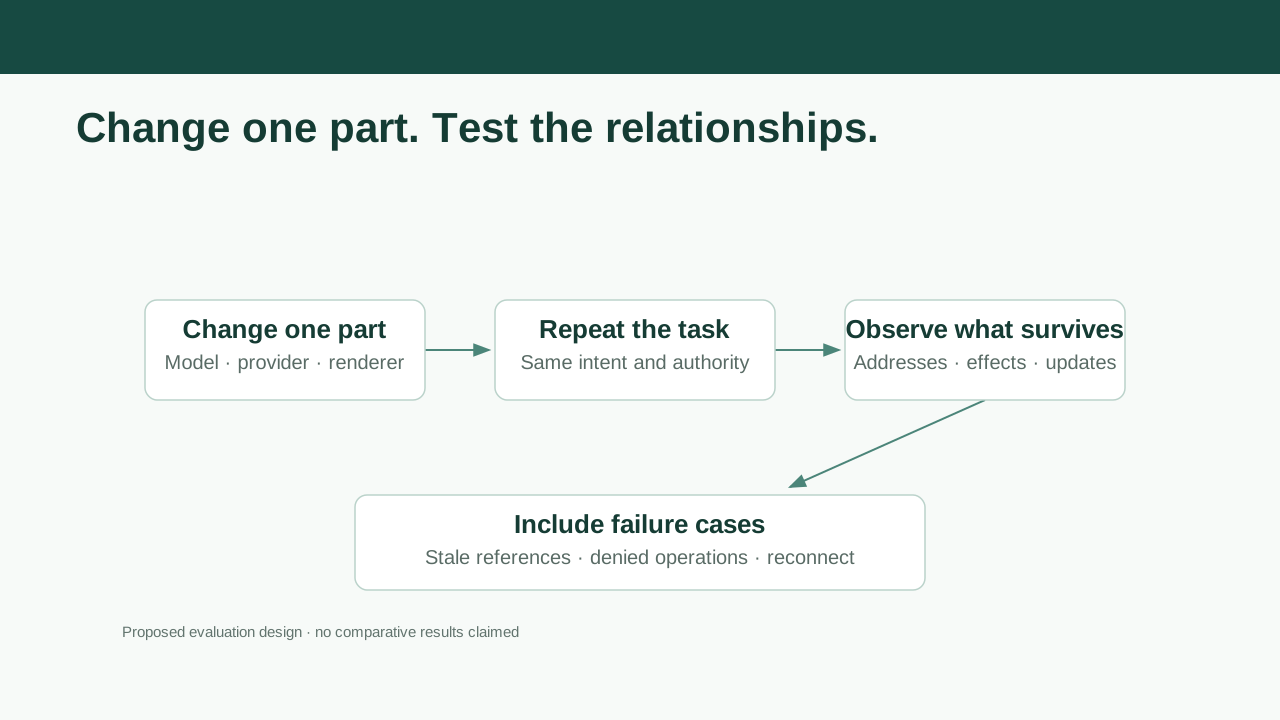
Measure what maintenance actually requires.
- Consumer changes after replacement
- Task success under equivalent access
- Update, reconnect and denial behavior
Addressability creates obligations.
- Identity and lifetime
- State ownership and compatibility
- Authorization and understandable failures
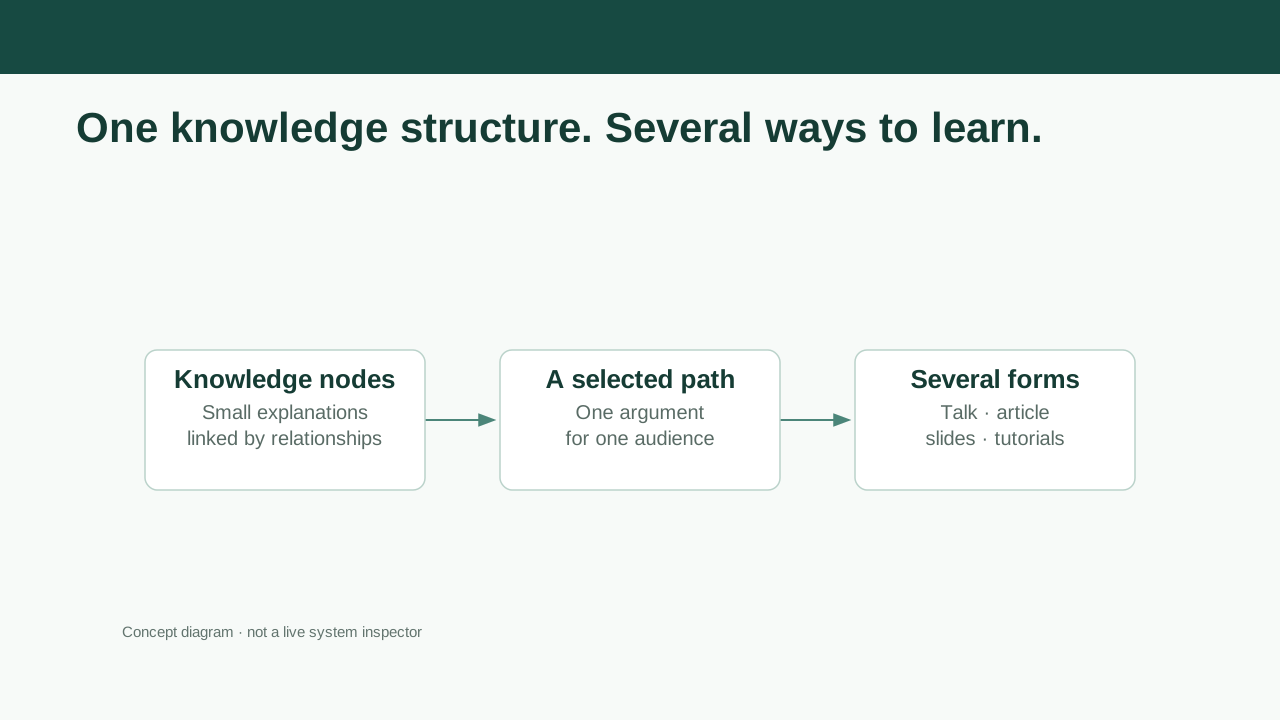
Let interfaces evolve around explicit operational contracts.
What should remain stable in your system?
- An address? An operation? An authority boundary?
- Which change would test that claim?