DID Wallet to release new updates: Unstoppable domain, ENS and more!
By Nate Robinson (Head of Wallet and Application, ArcBlock)
Today, we just announce the latest updates of DID Wallet for Android, iOS and Web platform. The Android and iOS versions will be available in Google Play store and Apple AppStore once they are approved. Here's a quick overview of the features included in this update.
Android: DID Wallet V3.6.10
- Support DID Connect 2.0
- The "Transfer" feature has been optimized, adding more security checks
- Support Unstoppable Domains and ENS (Ethereum Naming Service)
- Other known issues fixed
iOS: DID Wallet V3.5.19
- The sending function continues to be optimized, adding more security checks
- Support Unstoppable Domains and ENS (Ethereum Naming Service)
- Support Stake, RevokeStake transaction display
- Support to add ethereum test network ERC20 Token
- Optimize database code logic to improve application stability
- Other known issues fixed
Web: DID Wallet V3.5.3
- Support Unstoppable Domains and ENS (Ethereum Naming Service)
Core Features
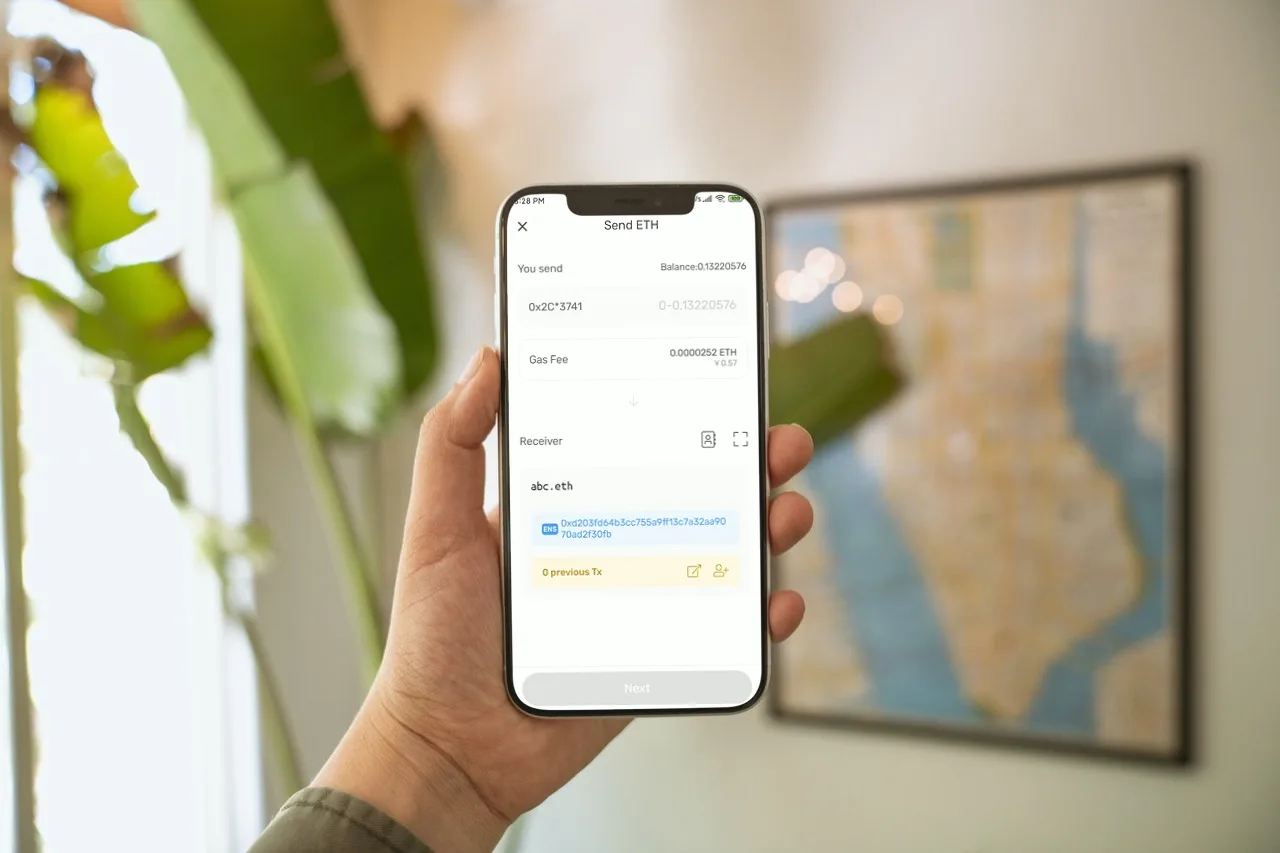
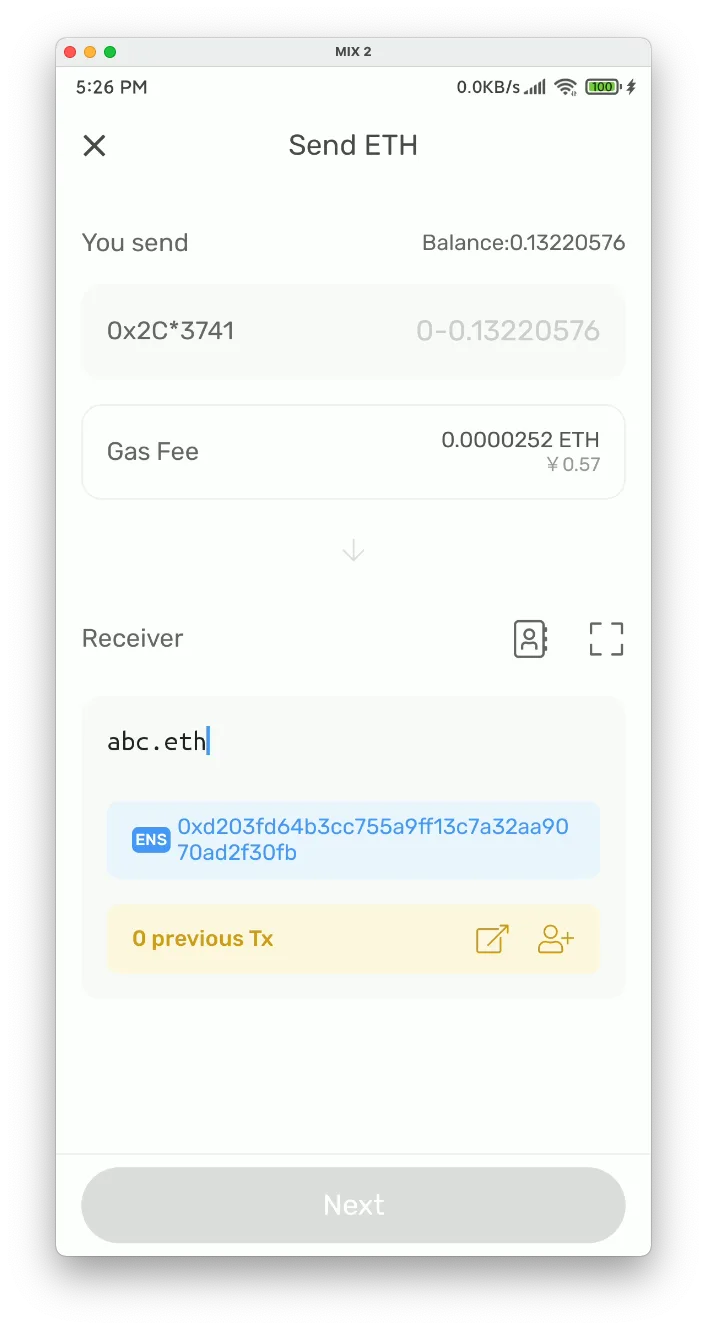
1. Support Unstoppable Domains resolution and ENS (Ethereum Naming Service)
When transfering ethereum token, it's always challenging to get the Etehreum address right. Now ABT Wallet fully supports UNS, ENS, a human-readable name for the Ethereum address.
2. Support DID Connect 2.0
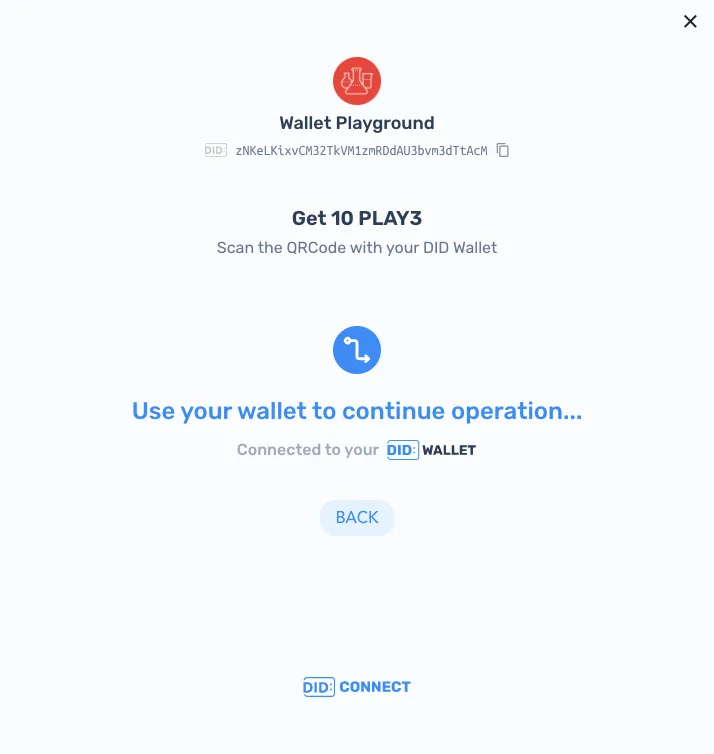
The Android Wallet is the first to complete the support of DID Connect 2.0. Through DID Connect 2.0, the interaction between wallet and Dapp adds another gesture in addition to scanning code, which no longer requires repetitive and tedious scanning qr code operation. After the wallet is connected with Dapp, The Connect process can be invoked automatically (the other platforms will be supported in a later version).
Finally, for more optimization and improvements, please download or update the wallet to experience.
Referenced here
Products
-
DID Wallet
renamed
Create and manage a digital identity (DID) and its associated credentials in one app.
Terms
-
DID
A DID is a digital identifier. It helps its holder and a verifier establish who controls an identity and who a claim relates to. It is not a wallet, and it does not replace application accounts, sign-in methods, or permission rules.
-
Wallet
The thing that holds the keys, and increasingly the credentials, on the holder's side. Naming it after money is a historical accident: signing in and presenting a credential use the same keys as paying does.