The Best Personal Agent May Be the One That Does Less
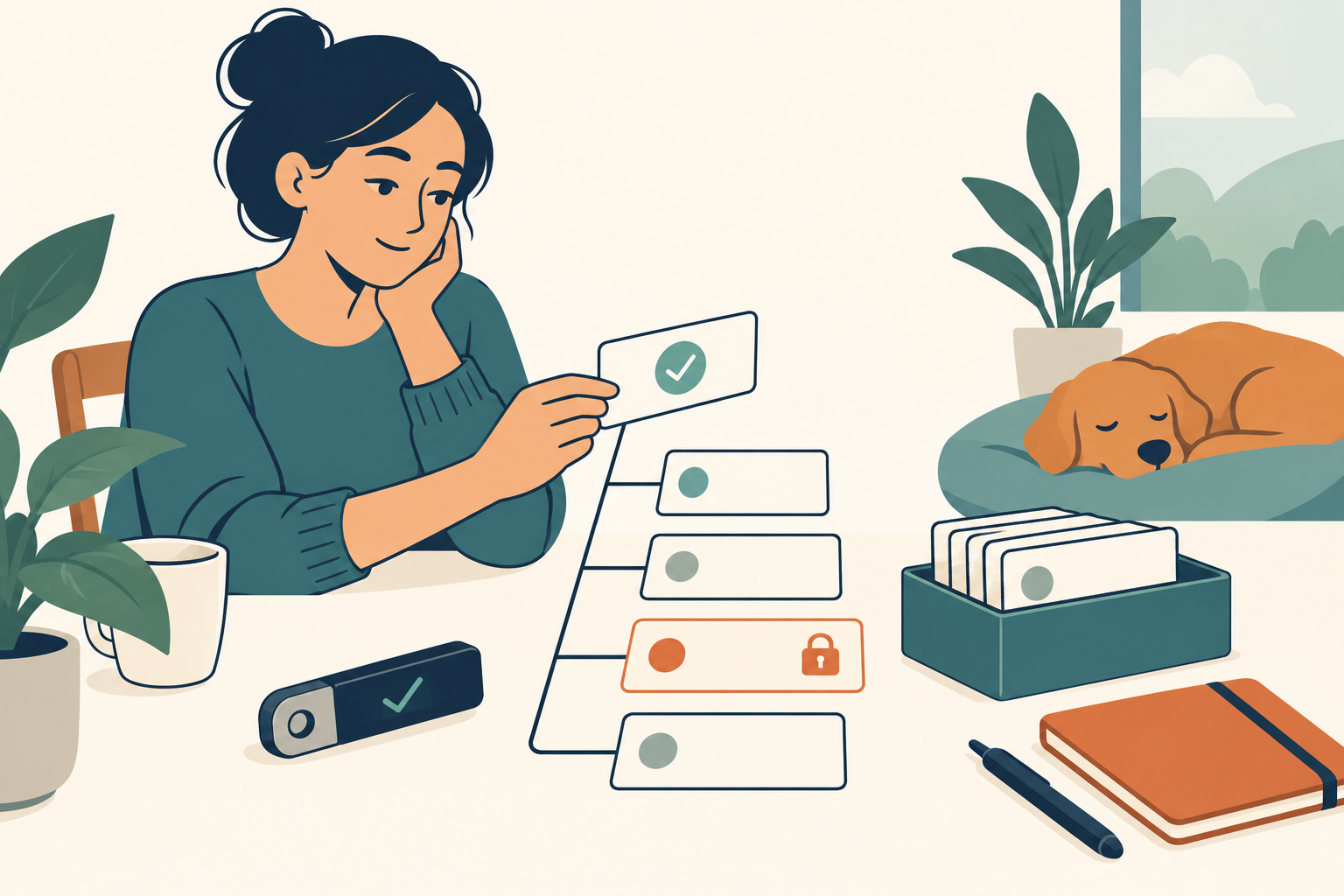
Trying Instinct made me rethink personal AI: keep my authority, protect my attention, and quietly look after the things I would otherwise forget.
ARCBlock JOURNAL
A living library of ideas, products, practical guides, and stories from ArcBlock.
Trying Instinct made me rethink personal AI: keep my authority, protect my attention, and quietly look after the things I would otherwise forget.
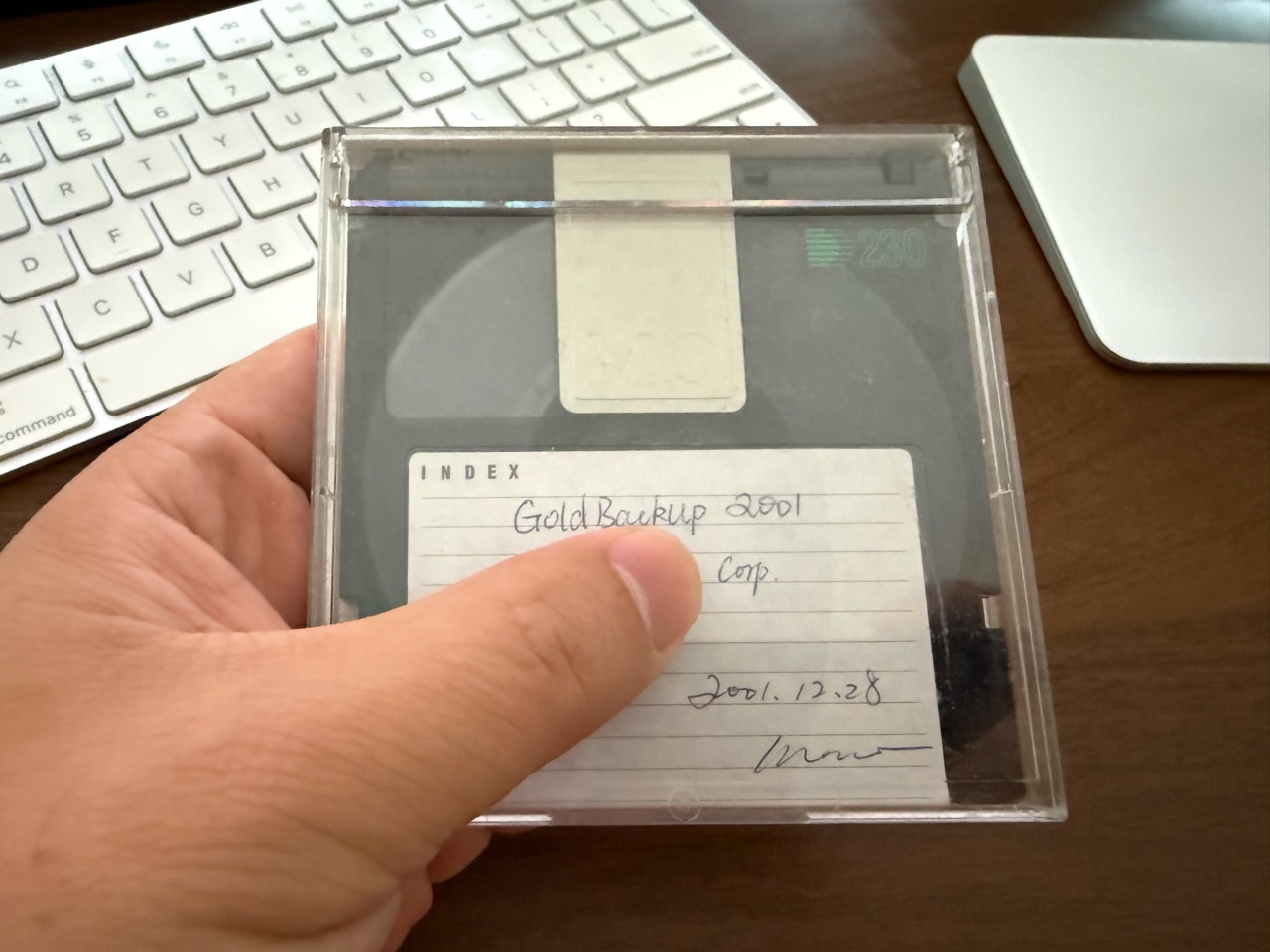
Data in your hands may no longer be usable. Data in the cloud may still be yours. A personal history of data sovereignty across floppy disks, MO media, cloud services, private keys, and AI.
We watched great tools change hands or disappear. That is why ArcBlock built Aside: an ARC-powered iPhone app that sends every Share back to a place you own.
DiscussKit has been rebuilt on ARC, and ArcBlock Community has completed its move. This is a new division of responsibility across discussions, identity and user-owned data.
Clear law matters, but a product must also explain what its token does, who controls it, what rules apply, and how participants reconcile the record.
An agent cannot exist only as a platform account and an API key. DID can provide a portable, long-lived identity anchor, but authorization, runtime proof, revocation, and audit still have to do their own jobs.
A response to Justin Drake and Vitalik Buterin's cryptography discussion: test transfers, HD wallets, public-key exposure, and why account migration and usability belong in security design.
Issuing a stablecoin, accepting payment, and operating a digital service are different systems. Most applications need billing and credits, not a currency of their own.
Save a portfolio reference from Safari, note what you want to borrow, and collect it alongside your own drafts in Aside.
Save sources and their conditions in Aside, then add your working decision and open questions so you can pick up the research later.
Making software no longer requires making a company first. When productive capacity is scattered across people and AI, collaboration, ownership, and value need a new organization.
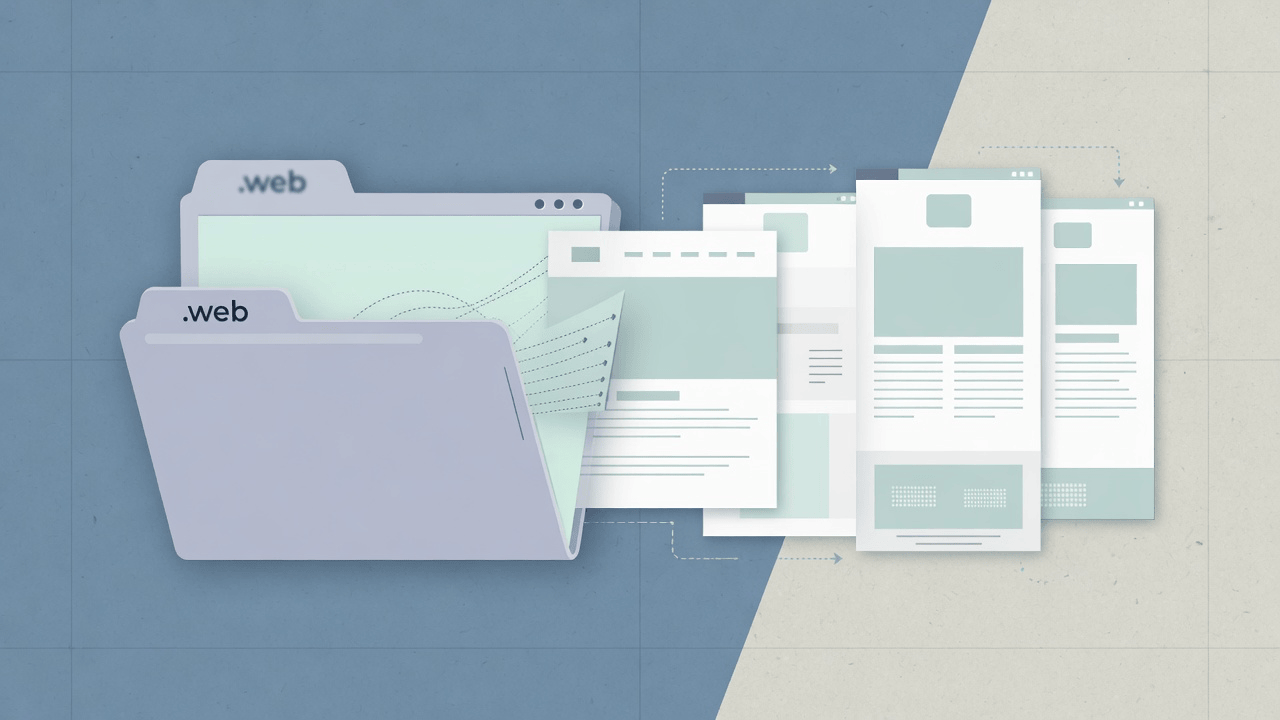
Web Device is one of ARC's core capabilities: declare a .web/ folder anywhere in AFS, and the data and AUP under it get rendered server-side into a website, SEO checks, broken-link detection, and visitor analytics included for free. This piece covers how it differs from UI Device (/dev/ui/web), how to use it, and which situations call for which.
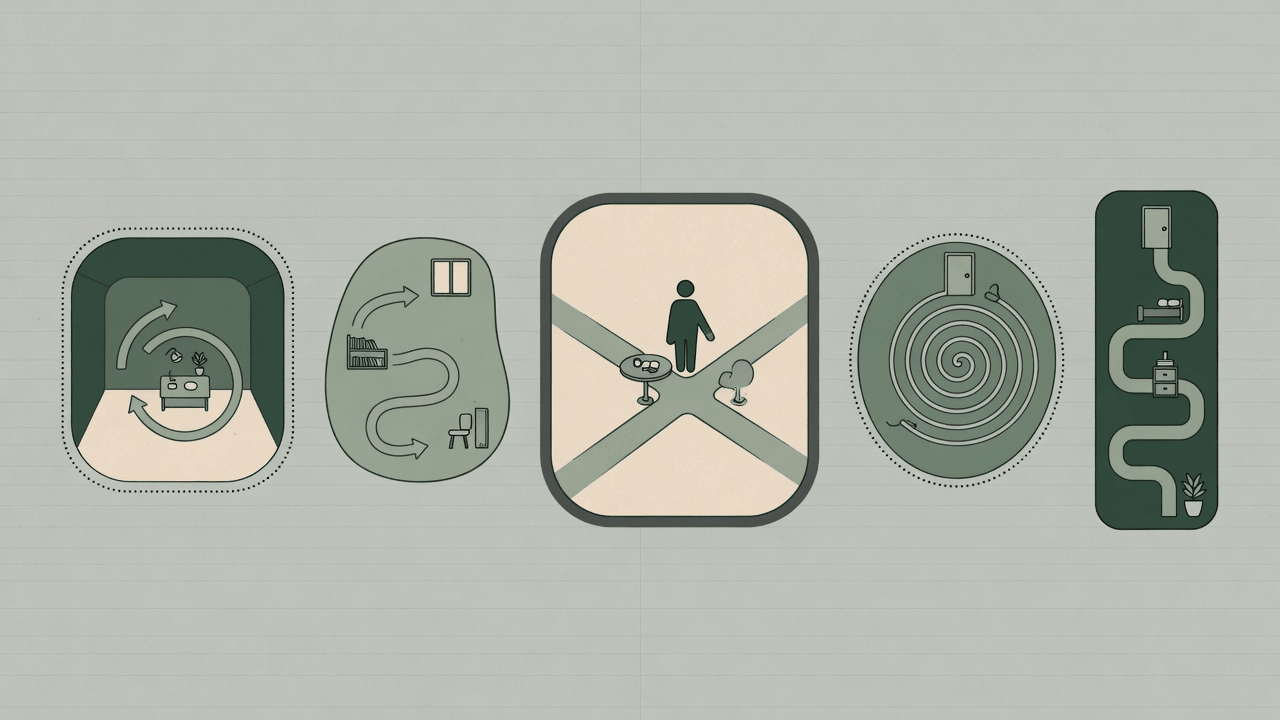
AFS has a design principle we call Small World: every agent, every app, every process sees not the global world, but a small world projected specifically for it. Anything outside that world isn't "access denied". It simply doesn't exist. Here's where the idea comes from, why it's more than a security mechanism, and how to try it yourself.
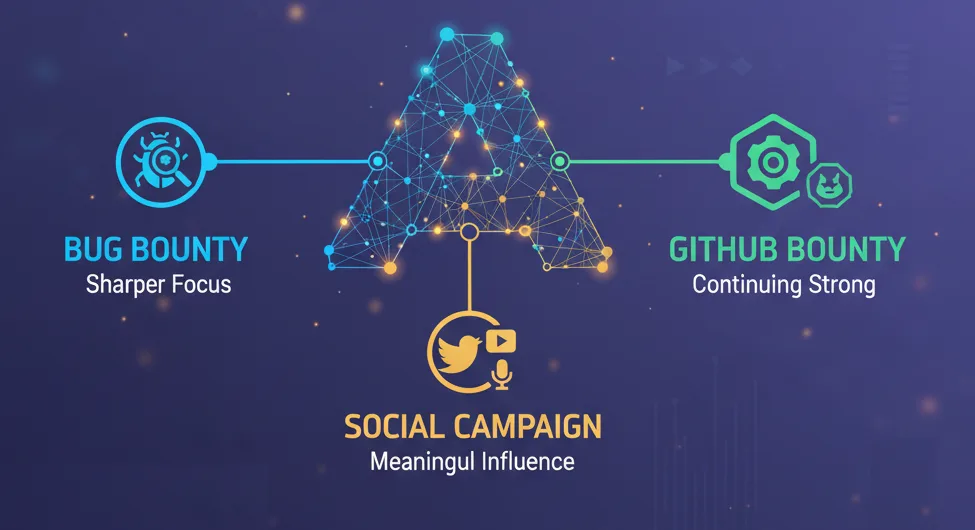
Hi everyone, Over the past months, our community bounty programs have helped drive meaningful improvements across our ecosystem. Through the Bug Bount
AI has restarted the browser wars. The prize isn’t tabs or benchmarks—it’s your data. Most “AI browsers” ship a cloud-first model that vacuums everyth
Over the last week, the ArcBlock team has rolled out a wave of updates this past week to improve usability, performance, and AI-readiness across mult
AI can generate a fresh interface at any moment. How do people and agents keep working on the same thing? A journey from OpenAI Intelligent UI and UI protocols to X Window and a working AFS-UI experiment.
A response to Justin Drake and Vitalik Buterin's cryptography discussion: test transfers, HD wallets, public-key exposure, and why account migration and usability belong in security design.
How an idea inspired by ODBC developed into a GraphQL playground, became part of the Blocklet architecture, and now lives within ARC’s AFS resource model.
Why Arc separates identity, data and compute: ownership should let you change services while keeping your identity, records and AI memory under your control.
Trying Instinct made me rethink personal AI: keep my authority, protect my attention, and quietly look after the things I would otherwise forget.
ArcBlock's account migration design connects old and new addresses. Follow incoming transfers, historical signatures, SDK behavior, and the limits of migration as recovery.
Save a portfolio reference from Safari, note what you want to borrow, and collect it alongside your own drafts in Aside.
Save sources and their conditions in Aside, then add your working decision and open questions so you can pick up the research later.
Open Quick Capture from Aside's home screen and save an unfinished thought. Find it again later, then capture the next question.
Save a source in Aside, note its purpose in your draft, and capture your own angle. Keep both in a collection for the piece you want to write.
Separate participation weight from agreement, understand fork choice and finality, and see why 51% and two thirds are not comparable security scores.
A closer look at ArcBlock's blockchain delegation patents: separate signing keys, enforced permissions, usage limits, revocation, and the boundaries of keeping a main key offline.
OCAP and ArcBlock's access-layer patent separate common requests from chain adapters. Follow data preparation, client signing, and the chain-specific facts an application still needs.
From native Exchange transactions to ARC, ArcSpace and personal agents: a research direction for markets their participants can own.
Data in your hands may no longer be usable. Data in the cloud may still be yours. A personal history of data sovereignty across floppy disks, MO media, cloud services, private keys, and AI.
The SEC staff's new crypto FAQ draws a useful distinction between improving a working system and promising to build one. What matters is distinguishing delivered capabilities from work that remains promised.
Start with a route guide and a record of your own. Save content, add a note, and bring the pieces together in a travel collection in Aside.
DiscussKit has been rebuilt on ARC, and ArcBlock Community has completed its move. This is a new division of responsibility across discussions, identity and user-owned data.
We watched great tools change hands or disappear. That is why ArcBlock built Aside: an ARC-powered iPhone app that sends every Share back to a place you own.
Bookmarking and notes should not be rebuilt on every site. Arc ships them as a default-on runtime capability: hidden until you log in, easy to turn off, or bound to buttons the page already has.